
 EN

Elevating Property Valuation Through Seamless Kitchen Architecture
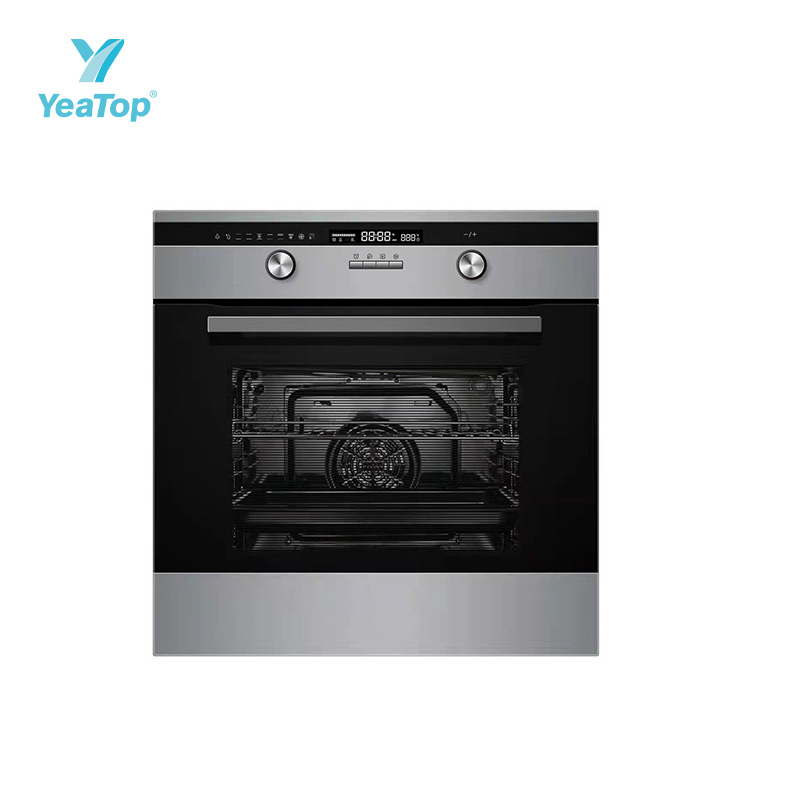
Walk into any multi-million-dollar penthouse in London, Dubai, or New York, and one architectural detail immediately stands out: the complete absence of countertop clutter. In upscale residential developments, the kitchen is no longer hidden behind closed service doors. Instead, it serves as the visual anchor of an open-plan living and entertaining space. Property developers and interior architects recognize that bulky freestanding units sitting on imported marble or quartz surfaces instantly downgrade the perceived value of a residence. Integrating a built in microwave oven directly into custom millwork transforms a utilitarian cooking zone into a cohesive piece of furniture-grade architecture.
Real estate appraisal data from high-end urban housing markets consistently shows that prospective buyers scrutinize kitchen execution more closely than almost any other room. When cabinetry doors, drawer reveals, and appliance fascias align within millimeter tolerances, the entire home feels bespoke and thoughtfully engineered. A properly specified built in microwave oven sits flush with surrounding walnut veneers or matte lacquer panels, preserving uninterrupted sightlines across the dining and lounge areas. For project specifiers, investing in integrated kitchen solutions yields measurable commercial returns by accelerating property sales and justifying premium square-footage pricing.
Ergonomic Zoning and Workflow Optimization in Open Concept Estates
Designing a luxury kitchen layout requires much more than simply hiding hardware behind cabinet walls; it demands a practical understanding of daily human movement. National Kitchen and Bath Association guidelines emphasize that cooking zones should minimize unnecessary steps while keeping hot dish transfers safe and intuitive. Selecting the exact mounting location for a built in microwave oven depends heavily on the household demographic, ceiling height, and overall footprint of the estate.
In expansive suburban villas with generous floor areas, tall appliance columns remain the gold standard. Positioning a built in microwave oven directly above a matching warming drawer or wall oven creates a dedicated thermal tower. The ideal mounting height places the turntable between thirty-six and forty-four inches above the finished floor. At this elevation, users can inspect simmering liquids and lift heavy ceramic casserole dishes without awkward shoulder strain or dangerous reaching. Meanwhile, in sleek urban apartments where vertical wall space is reserved for panoramic windows, architects frequently specify an under-counter integrated kitchen appliance layout inside the central island. Installed beneath the prep surface, this configuration keeps the perimeter walls completely open for decorative shelving or statement stone backsplashes while maintaining effortless access near the main food preparation sink.
Thermal Management and Cabinetry Ventilation Engineering
One of the most frequent mistakes seen on high-end construction sites happens when joinery contractors treat an integrated appliance like a standard storage box. Every built in microwave oven generates substantial thermal energy and moisture vapor during operation. Without a dedicated airflow channel, trapped heat accumulates inside the wooden carcass, gradually warping expensive cabinetry doors, degrading adhesive bonds, and triggering premature electronic thermal cutoffs inside the unit.
Professional kitchen engineers prevent these costly callbacks by integrating precise ventilation plenums into the millwork drawings before fabrication begins. A well-engineered built in microwave oven utilizes front-facing intake and exhaust louvers integrated discreetly into its perimeter trim kit, or it routes warm air upward through a hidden rear chimney channel behind the cabinet back panel. Maintaining a minimum clearance gap around the metal chassis allows internal tangential cooling fans to dissipate heat efficiently after the cooking cycle finishes. When cabinetmakers respect these airflow specifications, both the electronic magnetron components and the surrounding architectural woodwork remain in pristine condition for decades of daily residential use.
Material Harmony and Minimalist Aesthetic Integration
Luxury interior trends move across diverse cultural tastes, from warm Scandinavian minimalism and classic European stonework to ultra-modern Asian smart homes. Across all of these regional styles, visual consistency remains paramount. A mismatched appliance trim or an overly bright digital display can disrupt the calm atmosphere of a designer living space. Specifying a custom built in microwave oven with refined surface finishes ensures effortless harmony across varied interior palettes.
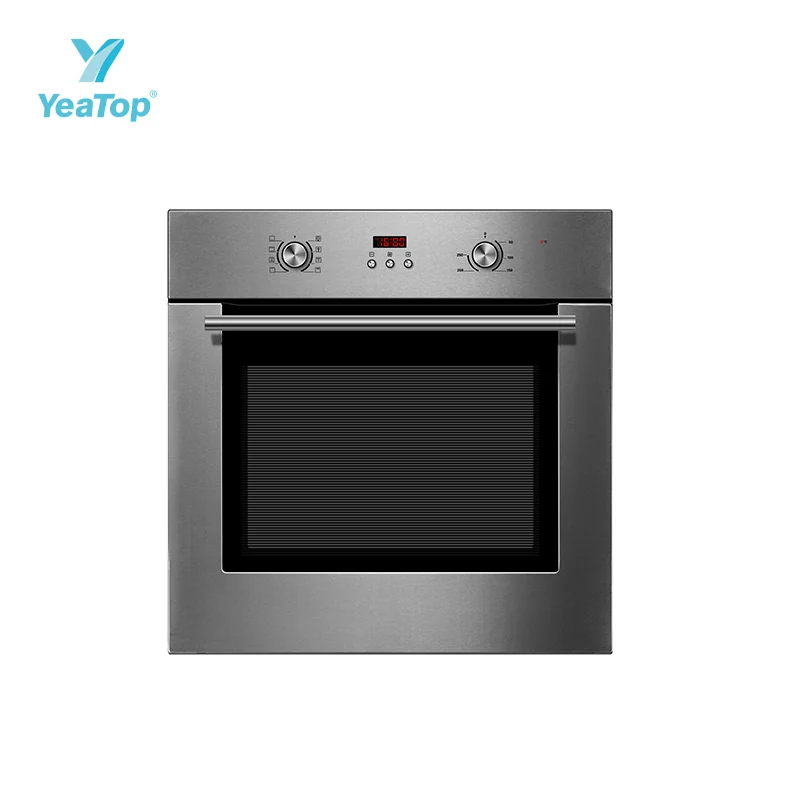
Contemporary architectural specifications heavily favor smudge-resistant brushed stainless steel paired with deep Obsidian or tinted tempered glass panels. Handleless fascia designs equipped with capacitive touch controls and motorized push-to-open door mechanisms eliminate protruding hardware altogether. This flush profile prevents clothing snags in narrow galley corridors and allows the built in microwave oven to blend seamlessly beside integrated wine coolers, espresso machines, and induction cooktops. Furthermore, precision-crafted stainless steel inner cavities not only elevate the interior appearance when the door opens but also reflect microwave energy evenly and resist stubborn food odors far better than painted alternatives.
Multi-Functional Cooking Performance for Modern Living
High-net-worth homeowners expect their kitchens to perform like professional culinary studios, even when they only have fifteen minutes to prepare an evening meal. Modern luxury layouts rarely rely on a basic reheating unit. Instead, specifiers select a multi-functional built in microwave oven that combines rapid microwave heating with quartz grill elements and true fan-assisted convection baking. This hybrid engineering effectively turns a compact wall cavity into a secondary high-speed oven.
During large dinner parties or holiday gatherings, a convection-capable stainless steel microwave oven handles roasting vegetables, crisping pastries, or browning gratins while the primary wall oven stays occupied with the main course. Advanced sensor cooking technologies monitor humidity levels inside the cavity and automatically adjust power output so delicate proteins never dry out. Multi-stage programming also allows users to defrost frozen ingredients and transition immediately into a grilling sequence without manual intervention. Adding child safety locks, quiet soft-close hinges, and intuitive LED interfaces ensures that the built in microwave oven delivers an effortless user experience for every family member and visiting guest.
Procurement Standards and Supply Chain Reliability for Developers
For real estate developers, hospitality procurement directors, and international appliance brands, selecting the right manufacturing partner is just as critical as the architectural layout itself. Large-scale residential projects require hundreds or thousands of identical units delivered on strict construction timelines. A slight variation in trim kit dimensions or glass tint between production batches can stall kitchen installation crews and delay property handover dates. Sourcing a built in microwave oven from an established manufacturer with vertically integrated production capabilities eliminates these project risks.
Working directly with an experienced engineering team ensures that every built in microwave oven meets rigorous regional compliance standards, whether a development requires CE, CB, ETL, or energy efficiency certifications for global markets. Jiaye has built a strong reputation in the appliance manufacturing sector by combining precision sheet-metal fabrication, automated assembly lines, and strict laboratory life-cycle testing. By offering flexible OEM and ODM customization, Jiaye enables architectural suppliers and appliance brands to tailor fascia aesthetics, cavity capacities, and trim configurations to exact regional cabinet standards. Partnering with a dependable supply chain specialist like Jiaye guarantees that luxury real estate projects receive durable, architecturally refined cooking appliances that uphold brand prestige long after residents move in.
Common Questions About Integrated Microwave Layouts
What is the difference between a countertop unit with a trim kit and a true built in microwave oven?
A true built in microwave oven is specifically engineered and safety-tested for enclosed cabinet installation, featuring dedicated internal cooling fans and directional air ducts. While some standard units can be adapted using a manufacturer-approved trim kit, placing an unapproved countertop model inside a closed wooden box restricts airflow, voids product warranties, and creates overheating hazards.
How much cabinet clearance is needed when installing a built in microwave oven?
Exact cutout dimensions vary by liter capacity and regional cabinet standards, such as standard sixty-centimeter European housings or twenty-four-inch and thirty-inch North American frames. Generally, installers require between thirty and fifty millimeters of rear clearance plus an unobstructed vertical air plenum at the back of the cabinet shelf to allow warm exhaust air to escape safely.
Where is the safest height to mount a built in microwave oven in a family home?
Ergonomic experts recommend positioning the interior floor of the built in microwave oven roughly three to four inches below the user's elbow height, which usually translates to thirty-six to forty-four inches off the floor. Installing the appliance too high above a tall refrigerator or double oven makes removing hot soup bowls risky, particularly for children or elderly residents.
Can a built in microwave oven be installed directly above an induction cooktop or gas range?
A standard built in microwave oven designed for wall columns or island cabinetry should not be mounted directly over a gas burner unless it is specifically rated as an over-the-range ventilation model. However, in a vertical tower layout, a built in microwave oven is routinely installed directly above an electric wall oven or warming drawer because each appliance manages its own isolated thermal exhaust path.
How do property managers maintain the flush appearance of a built in microwave oven over time?
Routine care involves wiping the tempered glass and stainless steel trim with a soft microfiber cloth and a pH-neutral cleaner to avoid scratching protective coatings. Periodically vacuuming dust from the front intake louvers and ensuring the cabinet ventilation channel remains clear of stored items will keep the built in microwave oven running quietly and looking brand new for years.
Table of Contents
- Elevating Property Valuation Through Seamless Kitchen Architecture
- Ergonomic Zoning and Workflow Optimization in Open Concept Estates
- Thermal Management and Cabinetry Ventilation Engineering
- Material Harmony and Minimalist Aesthetic Integration
- Multi-Functional Cooking Performance for Modern Living
- Procurement Standards and Supply Chain Reliability for Developers
- Common Questions About Integrated Microwave Layouts