How Does Radiant Heat Technology Work in Infrared Cookers?
Modern kitchen technology has evolved beyond traditional gas flames and standard electric coils, introducing energy-efficient solutions designed for precise temperature control and uniform cooking. Global appliance importers, regional distributors, and commercial procurement teams actively seek versatile cooking solutions that deliver high thermal performance without restricting cookware material choices. Understanding how radiant heat operates inside an infrared cooker provides essential technical insight for buyers evaluating modern electric hob solutions. Unlike induction units that require ferromagnetic cookware, an infrared cooker uses high-density heating elements to generate radiant energy that penetrates cooktop surfaces directly. This advanced thermal transmission mechanism ensures rapid preheating, balanced surface heat distribution, and low power loss, making these appliances an increasingly popular choice across residential and commercial markets worldwide.
Converting Electrical Energy into High-Density Radiant Heat
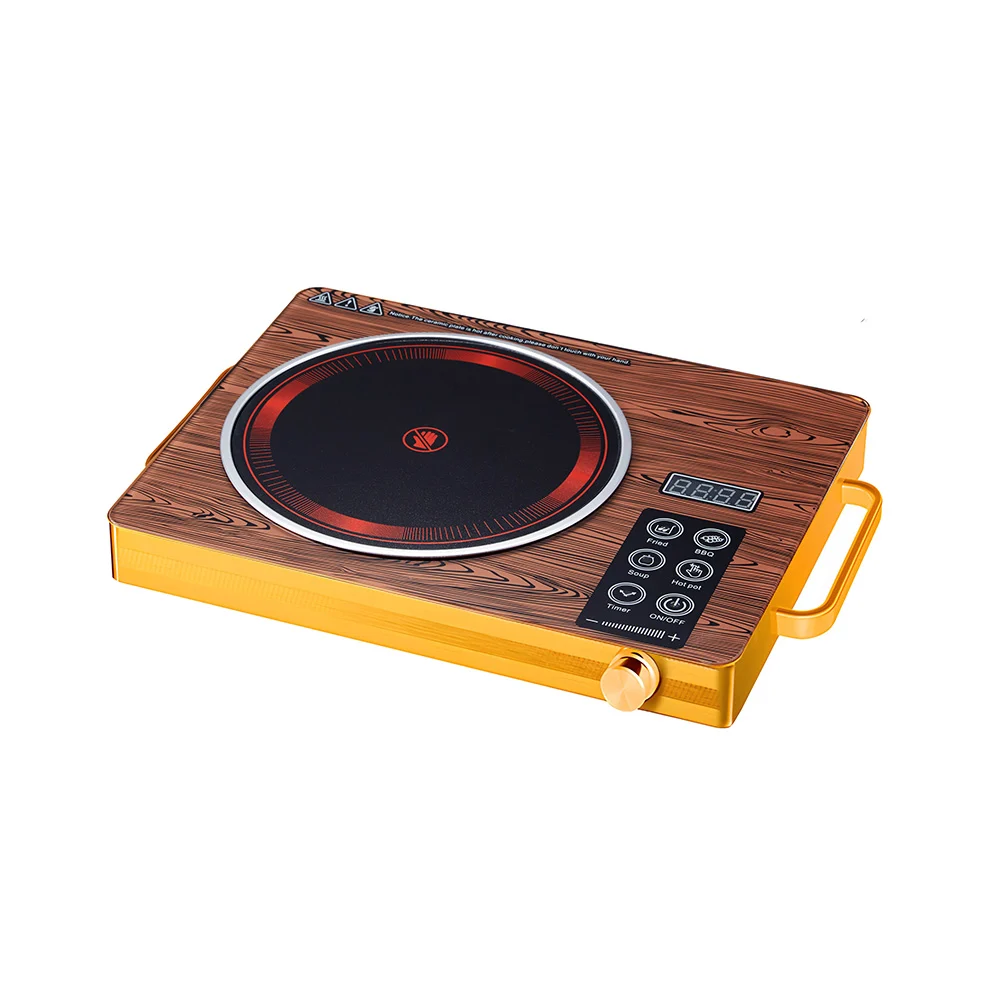
To appreciate the engineering behind radiant heat technology, it helps to examine how an infrared cooker heating element converts electric current into thermal energy. Inside the appliance housing, high-resistance nickel-chromium alloy ribbon coils or halogen heating lamps are positioned beneath a microcrystalline ceramic glass top plate. When electric current energizes these internal elements, they reach temperatures exceeding seven hundred degrees Celsius within seconds, glowing bright red and emitting far-infrared radiation waves. This electromagnetic radiation travels through the heat-resistant glass plate without significant energy dissipation, transferring thermal energy directly to the bottom of the cookware. Because radiant heat energy transfers through electromagnetic waves rather than pure physical conduction, an infrared cooker achieves exceptionally rapid heat-up times and provides instantaneous thermal response when adjusting control settings.
Universal Cookware Compatibility and Material Versatility
One of the primary technical advantages of an infrared cooker unit is its exceptional universal cookware compatibility. Traditional induction hobs require cast iron or magnetic stainless steel pots to generate magnetic eddy currents, rendering ceramic, glass, copper, and non-magnetic aluminum pans unusable. In contrast, the radiant energy produced by an infrared cooker heats any heat-resistant pan material with equal efficiency. Whether cooking with a traditional clay pot, heavy aluminum skillet, heat-resistant glass casserole, or stainless steel saucepan, the radiant heat transfers smoothly through the cookware base. For global distributors, offering an infrared cooker product line provides a versatile appliance that seamlessly integrates into diverse culinary traditions without forcing end consumers to replace their existing cookware sets.
Precise Temperature Control and Uniform Heat Distribution
In addition to universal cookware compatibility, an infrared cooker glass panel provides superior temperature control and uniform heat distribution across the entire cooking zone. Engineered heating coil layouts ensure that thermal energy spreads evenly across the microcrystalline ceramic glass surface, eliminating dangerous hot spots that scorch food. Advanced micro-controller units regulate power output across multiple heat settings, allowing users to switch effortlessly from gentle simmering to high-heat searing. Furthermore, the high thermal efficiency of an infrared cooker reduces kitchen heat dissipation, keeping indoor cooking environments cooler and reducing ambient air conditioning costs in home and commercial kitchens.
Advanced Safety Features and Maintenance Convenience
Beyond raw heating performance, safety and operational durability remain top priorities for quality-conscious buyers evaluating an infrared cooker safety system. Modern units feature integrated over-heat protection sensors that automatically reduce power or shut off internal heating elements if surface temperatures exceed safe operating limits. Microcrystalline ceramic glass panels withstand extreme thermal shock and heavy pot impact without cracking or warping. Smooth glass surfaces on an infrared cooker simplify daily maintenance, allowing users to wipe away oil spills and food residue effortlessly after the cooktop cools down. Integrated residual heat indicator lights alert users when the glass panel remains hot, preventing accidental touch burns.
Laboratory Quality Control and Global Safety Standards
Verifying product durability and energy efficiency requires strict factory testing and quality control protocols at every manufacturing stage. Premium manufacturing facilities subject each infrared cooker assembly to automated electrical insulation checks, high-voltage withstand trials, and continuous thermal fatigue testing. Quality inspectors verify that internal ribbon coils retain structural integrity and constant resistance across thousands of thermal expansion cycles. Ensuring that every infrared cooker meets international safety standards including CE, CB, and UL certification guarantees long-term operating reliability and protects brand reputation in competitive global retail markets.
Partnering with Jiaye Group for High-Efficiency Manufacturing
Delivering high-performance electric cooking appliances to international markets requires a trusted manufacturing partner dedicated to precision engineering and rigorous quality management. Zhongshan Jiaye Electrical Appliance Technology Co., Ltd. is an industry-leading OEM and ODM manufacturer supplying global appliance brands and commercial distributors with high-efficiency kitchen solutions. By operating certified ISO quality management systems, the company integrates automated metal stamping, precision circuit assembly, and multi-stage testing lines into every infrared cooker manufacturing process. Partnering with Jiaye Group provides global buyers with customized product development, scalable production capacity, and dependable supply chain support that powers long-term business growth.

 EN