
 EN

Tightening Global Customs Rules Are Changing Kitchen Appliance Sourcing Forever
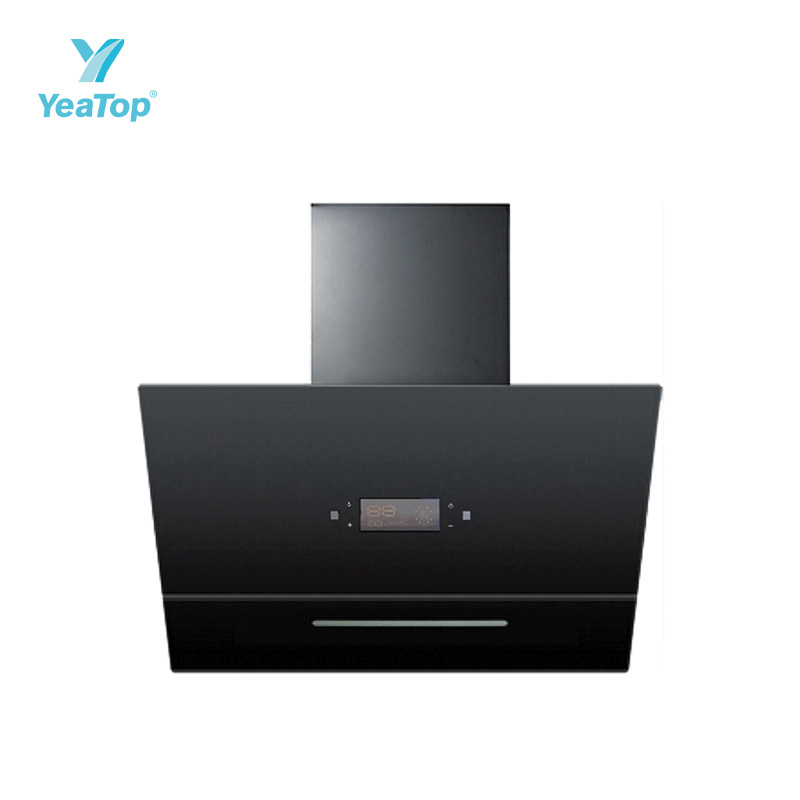
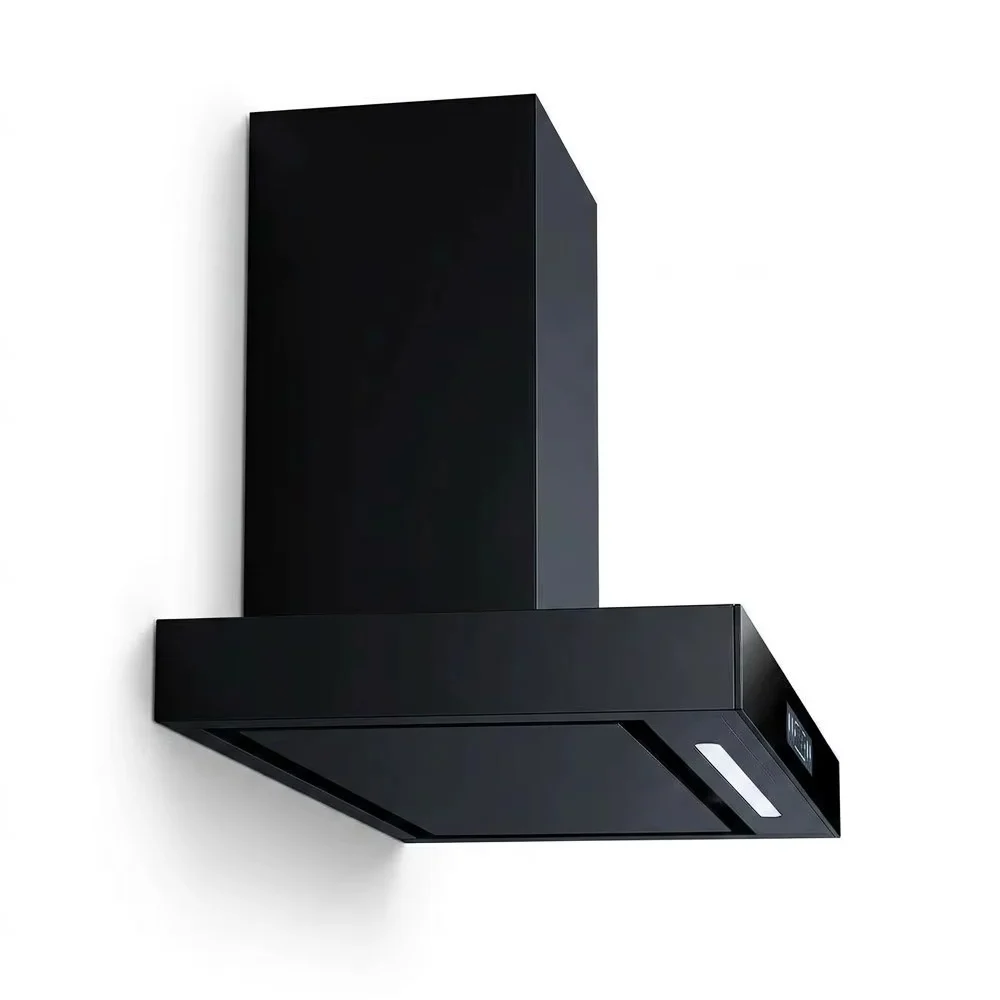
Anyone managing international supply chains knows that sinking feeling when a freight forwarder calls with bad news from the port of entry. Picture ten forty-foot containers packed with newly manufactured cooking equipment sitting idle at a customs terminal in Rotterdam, Los Angeles, or Dammam because a single test report failed digital verification. Port storage fees stack up by the hour, retail launch windows slam shut, and hard-earned distributor relationships take a massive hit. Today, global trade regulations for household electronics are moving faster than ever before. Customs authorities and energy ministries have shifted away from simple paperwork checks toward deep lifecycle audits covering energy efficiency, electromagnetic emissions, and fire safety. Right at the center of this regulatory storm sits the range hood. Because a modern range hood operates directly above open flames or high-wattage heating elements while pulling grease-laden steam past electrical motors and LED circuit boards, safety inspectors treat it as a high-risk product category. Whether market demand calls for a sleek island range hood for luxury urban condos or a compact slim range hood for high-volume apartment projects, mastering CE, CB, ETL, and GCC compliance is the smartest way to turn technical regulations into a rock-solid commercial advantage.
Breaking Down CE and CB Technical Benchmarks for European and Global Markets
Cracking the European market or expanding across emerging economies in Asia, South America, and Africa starts with two critical credentials: the CE mark and the IECEE CB Scheme. Walking through European retail channels requires every shipment of kitchen appliances to satisfy a tough web of European Union directives rather than a single lab test. For a range hood, engineering compliance begins with the Low Voltage Directive (LVD) under standard EN 60335-2-31, which guards against electrical shock, insulation breakdown, and thermal hazards during heavy daily cooking. At the same time, the Electromagnetic Compatibility (EMC) Directive ensures that variable-speed brushless DC motors and smart touch panels inside a T-shaped range hood or curved glass range hood never interfere with household Wi-Fi routers or medical devices. On top of electrical safety, European customs strictly enforce the Eco-design Directive (ErP) for fluid dynamic efficiency and RoHS 2.0 standards restricting hazardous heavy metals in solder and plastics. Working alongside CE is the CB Scheme, managed by the International Electrotechnical Commission. Think of a CB test certificate under IEC 60335-2-31 as a universal master key. Instead of paying local labs to re-test the same range hood from scratch in fifty different countries, importers use one accredited CB report to fast-track national approvals, slashing market-entry costs and shaving months off product launch schedules.
Why ETL Safety Standards Hold the Key to North American Retail Growth
North America represents one of the highest-margin regions for home improvement brands, yet local building codes and retail onboarding audits can easily trip up unprepared suppliers. A common myth among newer importers is that UL is the only safety mark accepted by American and Canadian inspectors. In reality, the ETL Listed mark issued by Intertek—a globally recognized Nationally Recognized Testing Laboratory (NRTL) accredited by OSHA—carries the exact same legal weight and retail credibility across North America while often giving OEM and ODM projects much faster testing turnaround times. Exporting a range hood into the United States requires full compliance with UL 507, while Canadian distribution demands adherence to CSA C22.2 No. 113. These standards put every range hood through brutal laboratory simulations. Engineers lock the fan rotor to verify that thermal cutoffs prevent motor fires, test grease drip trays to guarantee zero flame propagation, inspect sheet-metal housing edges so installers never cut their hands, and subject mounting brackets to extreme weight loads. As North American homeowners increasingly favor high-airflow side-suction range hood units and statement-making pyramid range hood designs, locking in ETL compliance early in the engineering phase unlocks doors to major retail chains, e-commerce giants, and commercial construction bids.
Conquering Extreme Heat and GCC Requirements Across Middle Eastern Markets
Look at the construction boom sweeping across the Gulf Cooperation Council member states—especially with massive residential projects under Saudi Arabia's Vision 2030—and it becomes clear why the Middle East is a top priority for appliance distributors. However, shipping into Saudi Arabia, the United Arab Emirates, Kuwait, Qatar, Bahrain, and Oman means answering to the Gulf Standardization Organization (GSO) and displaying the mandatory GCC (G-Mark) complete with a scannable regulatory QR code. For Saudi bound cargo, passing through the online SABER platform is impossible without verified GSO IEC 60335-2-31 test reports. What really separates Middle Eastern compliance from European or American testing is the brutal ambient environment. Summer temperatures across the Gulf routinely climb past forty-five degrees Celsius, meaning a standard range hood built for mild European kitchens will quickly suffer capacitor burnout or motor failure. Proper GCC engineering subjects the range hood to tropical climate testing (often referred to as T3 tropical endurance), high-humidity insulation checks, and exact voltage grid matching at 220-240V and 50/60Hz. Furthermore, heavy frying and rich culinary spices in Middle Eastern homes require a range hood equipped with high-static-pressure blowers and washable multi-layer aluminum or stainless-steel baffle filters. Pairing a GCC-certified range hood with a matching built-in gas hob and built-in oven under unified bilingual Arabic-English documentation keeps container clearance moving smoothly through Gulf ports in under forty-eight hours.
How Critical Component Traceability Protects Importers From Sudden Recalls
Getting a framed certificate on a factory wall is easy; keeping mass-produced cargo 100% compliant across ten thousand units is where the real operational battle happens. One of the biggest hidden traps in overseas sourcing occurs when an unverified workshop passes laboratory testing with a hand-built "golden sample," only to swap in cheaper, uncertified switches, wires, or capacitors during bulk production to pad their profit margins. Every legitimate CE, CB, ETL, or GCC report is legally tied to a Construction Data Form (CDF). That CDF document acts as a locked recipe, listing the exact manufacturer, model number, and flame-retardant rating of every critical component inside the range hood—from the VDE-certified power cord and UL-recognized thermal fuse down to the ABS plastic control box and LED driver. If port authorities or market surveillance teams pull a random range hood from a retail warehouse and spot an unlisted capacitor inside, the entire certification becomes void on the spot, triggering devastating mandatory recalls. Experienced buyers protect their brands by insisting on strict Bill of Materials (BOM) lock-in systems and 100% assembly-line safety verification. Before any slim range hood or island range hood gets sealed into its export carton, automated factory test benches must run high-potential (Hi-Pot) dielectric strength tests, ground continuity checks, earth leakage current scans, and acoustic decibel evaluations to guarantee zero defects.
Turning Multi-Category Compliance Into Real Commercial Value With Jiaye
Balancing technical compliance, rising laboratory renewal fees, and multi-category container consolidation has pushed smart global buyers away from fragmented small workshops toward integrated manufacturing partners. Trying to coordinate separate CE, ETL, and GCC certificates across five different factories for a single kitchen project drains both working capital and procurement time. Working with an established engineering powerhouse like Jiaye (YeaTop) completely changes that equation. Backed by over a decade of dedicated export manufacturing experience, a catalog exceeding 10,000 SKUs, and a vault of 28 authoritative international certifications, Jiaye builds regulatory compliance directly into the initial 3D industrial design phase. Instead of juggling multiple vendors, distributors and project contractors can fill mixed containers from a single certified production ecosystem—combining a high-performance range hood with a matching induction cooker, ceramic hob, dishwasher, microwave oven, and small kitchen appliances. Even better, for regional brand owners in South America, Africa, and the Middle East looking to lower import tariffs and run local assembly plants, Jiaye delivers complete SKD (Semi-Knocked-Down) and CKD (Completely-Knocked-Down) component kits for any range hood model alongside full technical documentation, turning complex compliance rules into faster inventory turnover and healthier profit margins.
Practical Pre-Shipment Verification Steps for Smart Global Buyers
Building a resilient, future-proof appliance supply chain comes down to a disciplined verification routine before paying final production balances. First, never take a PDF certificate at face value; log directly into the official online directories of accredited laboratories like Intertek, SGS, TUV, or the GSO tracking portal to verify that the certificate number is active and specifically covers the exact range hood model on the purchase order. Second, request the Construction Data Form (CDF) during pre-shipment inspection and have quality control engineers open random range hood units on the factory floor to confirm that internal motor labels, power plugs, and flame-retardant enclosures match the certified component list word for word. Third, align upcoming product selections with regional eco-design trends by prioritizing brushless DC inverter technology and pairing every range hood with energy-efficient home appliances that qualify for top-tier retail rebates. Partnering with a battle-tested manufacturer like Jiaye, whose certified kitchen solutions already run reliably in over 200,000 households worldwide, gives global importers the technical confidence and supply-chain agility needed to scale across any international market without customs headaches.
Table of Contents
- Tightening Global Customs Rules Are Changing Kitchen Appliance Sourcing Forever
- Breaking Down CE and CB Technical Benchmarks for European and Global Markets
- Why ETL Safety Standards Hold the Key to North American Retail Growth
- Conquering Extreme Heat and GCC Requirements Across Middle Eastern Markets
- How Critical Component Traceability Protects Importers From Sudden Recalls
- Turning Multi-Category Compliance Into Real Commercial Value With Jiaye
- Practical Pre-Shipment Verification Steps for Smart Global Buyers