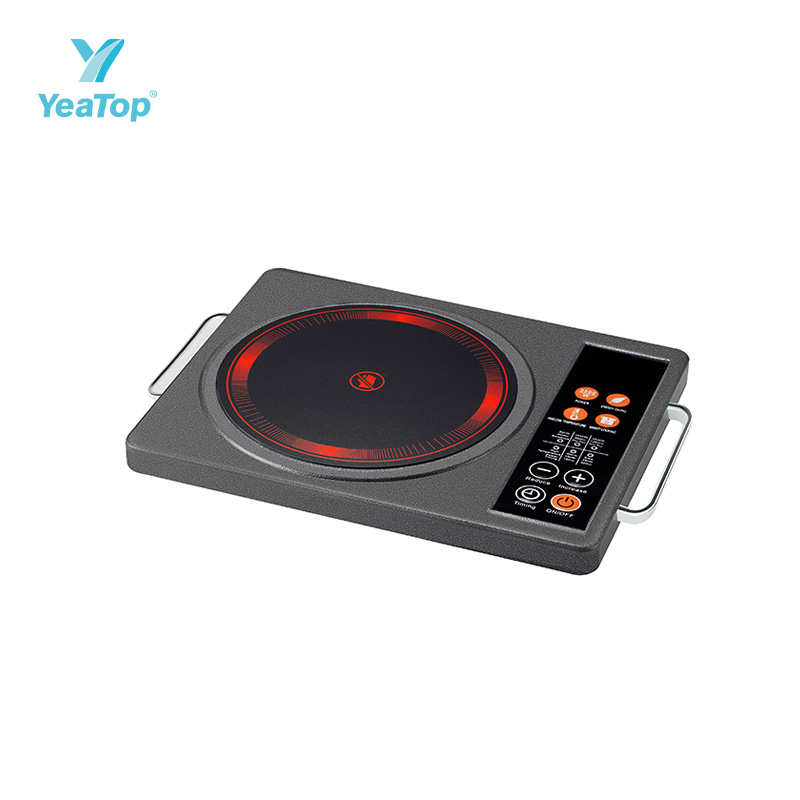
Cookware Compatibility Guide for Infrared Cookers
When home cooks and professional chefs upgrade their kitchen setups, transitioning to electric cooking appliances often raises questions about existing cookware collections. Traditional induction hobs frustrate many consumers because they strictly require magnetic iron or stainless steel pots, rendering expensive copper, aluminum, and ceramic cookware completely useless. Sourcing or utilizing a modern infrared cooker eliminates this frustrating limitation entirely by using radiant heat technology that warms any heat-resistant pan material. Understanding cookware compatibility helps retail buyers, regional distributors, and home culinary enthusiasts select the right pots and pans to maximize cooking efficiency, protect glass cooktop surfaces, and achieve exceptional culinary results every single day.
Why Radiant Heat Enables Universal Cookware Compatibility
To appreciate why radiant cooktops outperform magnetic alternatives in everyday versatility, one must examine how thermal energy transfers from the appliance to the food. Inside a standard versatile infrared cooker, high-resistance ribbon heating elements or halogen lamps glow red beneath a microcrystalline ceramic glass top plate, emitting powerful far-infrared radiation waves. This electromagnetic radiation passes effortlessly through the smooth glass panel and heats the bottom of any pot through direct thermal absorption and conduction. Because this process relies on light wave radiation rather than generating localized magnetic eddy currents, the chemical composition of the cookware base becomes irrelevant, allowing virtually any flat-bottomed, heat-tolerant cooking vessel to function seamlessly.
Cast Iron and Stainless Steel Performance on Radiant Hobs
Although radiant cooktops accept non-magnetic materials, heavy-duty metallic cookware remains a staple in professional and residential kitchens. Using multi-ply stainless steel or seasoned cast iron on a high performance infrared cooker delivers exceptional thermal retention and searing performance. Cast iron distributes heat slowly and evenly, making it ideal for slow braising or high-heat steak searing, while multi-clad stainless steel pans offer rapid temperature responsiveness for delicate sauces. Because radiant heat warms the entire base of the pan uniformly, chefs can achieve consistent browning without dealing with the frustrating cold spots often encountered on older electric coil burners.
Adapting Clay Pots, Ceramic Casseroles, and Heat-Resistant Glass
One of the most celebrated culinary advantages of radiant heating technology is its ability to accommodate traditional earthenware, clay pots, and heat-resistant glass cookware. Many global culinary traditions rely heavily on clay casseroles and ceramic tagines to simmer stews and slow-cook rice dishes over extended periods. Placing these delicate vessels on a durable infrared cooker allows home cooks to preserve authentic cooking methods without risking thermal shock damage. The gentle, penetrating warmth of infrared waves heats earthenware evenly from the base upward, unlocking deep, rich flavors while maintaining the structural integrity of traditional ceramic and glass materials.
Key Considerations for Aluminum and Copper Cookware Usage
While aluminum and copper pots function effectively on radiant cooktops due to their superior thermal conductivity, users must observe specific handling precautions. Lightweight aluminum pans with extremely thin bottoms can warp or develop hot spots if subjected to maximum power settings instantly. When operating an efficient infrared cooker with aluminum or copper cookware, culinary experts recommend preheating on medium settings and ensuring the pan base is completely clean and dry. Preventing sugary spills or oil residues from baking onto the glass surface under copper pans preserves both the aesthetic clarity of the cooktop and the longevity of the cookware.
The Crucial Impact of Flat Bottoms and Thermal Conductivity
Regardless of whether a pot is forged from cast iron, clay, or stainless steel, physical contact with the glass cooktop directly determines cooking speed. Maximizing thermal transfer on a reliable infrared cooker requires cookware featuring thick, perfectly flat bottoms that sit flush against the microcrystalline ceramic glass plate. Warped pans, bowed bases, or pots with protruding ridges create microscopic air gaps that insulate the bottom of the pan, slowing down water boiling times and wasting electricity. Selecting heavy-gauge cookware with machined flat bases ensures optimal thermal conduction and silent operation across thousands of delicious culinary sessions.
Partnering with Jiaye Group for Advanced Manufacturing Solutions
Navigating the global home appliance market requires partnering with an experienced manufacturer dedicated to uncompromising product quality and versatile engineering standards. Jiaye Group stands out as a premier OEM and ODM partner, delivering exceptional kitchen ventilation and electric cooking equipment to international brand owners and commercial distributors. Operating certified ISO quality management systems, Jiaye Group integrates advanced microcrystalline glass sourcing, precision thermal engineering, and rigorous multi-stage quality testing into every production line. Partnering with Jiaye Group provides global buyers with scalable manufacturing capacity, customized product development, and dependable supply chain support that drives enduring commercial success.

 EN