
 EN

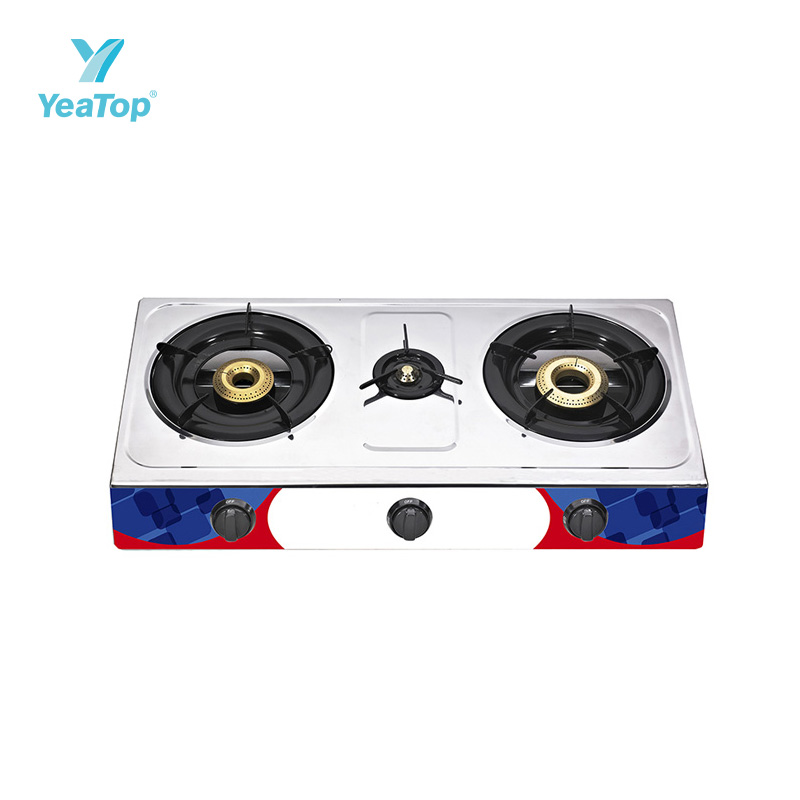
How to Ensure Flame Failure Protection in Gas Stoves?
When international appliance importers, regional distributors, and home safety advocates review residential kitchen specifications, flame safety compliance stands out as an absolute non-negotiable priority. For decades, traditional cooking appliances occasionally suffered from dangerous unburned gas accumulation if accidental drafts, liquid spills, or sudden wind gusts extinguished active burners. Sourcing or developing a reliable
Understanding Thermocouple Mechanics and Millivolt Safety Logic
To appreciate the mechanical ingenuity behind modern flame protection, one must examine how thermocouple sensors convert thermal energy into electrical continuity. Inside a certified safety-engineered
Factory Calibration Protocols and Strict Response Time Testing
Ensuring long-term reliability in FFD systems requires rigorous factory calibration and precise mechanical tolerance testing during production. Manufacturing engineers must calibrate the magnetic holding current of the safety valve so that it releases precisely within international safety standard response windows—typically under fifteen seconds after flame extinction. During assembly line testing, automated test rigs subject every single
Component Material Selection and Corrosion-Resistant Thermal Shielding
Beyond internal sensor mechanics, overall system integrity relies heavily on robust component materials and corrosion-resistant thermal shielding. Because thermocouple probes endure continuous thermal cycling, oxidation, and direct contact with acidic food spills, selecting high-grade alloy materials is essential for preventing premature sensor failure. Premium manufacturing facilities utilize specialized stainless steel sheathing and ceramic insulators that protect internal lead wires from grease accumulation and extreme temperatures. When global buyers evaluate a
Regulatory Compliance, Global Standards, and Consumer Trust
Commercial distributors and retail brand managers also benefit significantly when they market appliances featuring certified, fail-safe flame monitoring systems. Regulatory bodies across Europe, North America, and Asia Pacific maintain strict compliance codes, such as CE, CSA, and AS/NZS standards, requiring mandatory FFD integration on all multi-burner gas hobs. Stocking fully certified units protects importing companies from costly customs delays, regulatory fines, and potential product liability claims. Furthermore, highlighting advanced safety features in retail marketing campaigns builds immense consumer trust, assuring homeowners that their cooking equipment adheres to the highest international safety benchmarks. Selecting an export-ready
Partnering with Jiaye Group for Advanced Appliance Manufacturing
Delivering flawless flame failure protection to international markets requires a trusted manufacturing partner dedicated to precision engineering and stringent quality control standards. Jiaye Group stands out as a premier OEM and ODM manufacturer, supplying global appliance brands and commercial distributors with high-performance kitchen ventilation and cooking equipment. Operating certified ISO quality management systems, Jiaye Group integrates automated gas leakage testing, precision thermocouple calibration, and comprehensive multi-stage quality inspections into every production line. Partnering with Jiaye Group provides global buyers with scalable manufacturing capacity, customized product development, and dependable supply chain support that drives enduring commercial success in competitive housing and retail markets. Choosing Jiaye Group as your primary
Table of Contents
- How to Ensure Flame Failure Protection in Gas Stoves?
- Understanding Thermocouple Mechanics and Millivolt Safety Logic
- Factory Calibration Protocols and Strict Response Time Testing
- Component Material Selection and Corrosion-Resistant Thermal Shielding
- Regulatory Compliance, Global Standards, and Consumer Trust
- Partnering with Jiaye Group for Advanced Appliance Manufacturing