
 EN

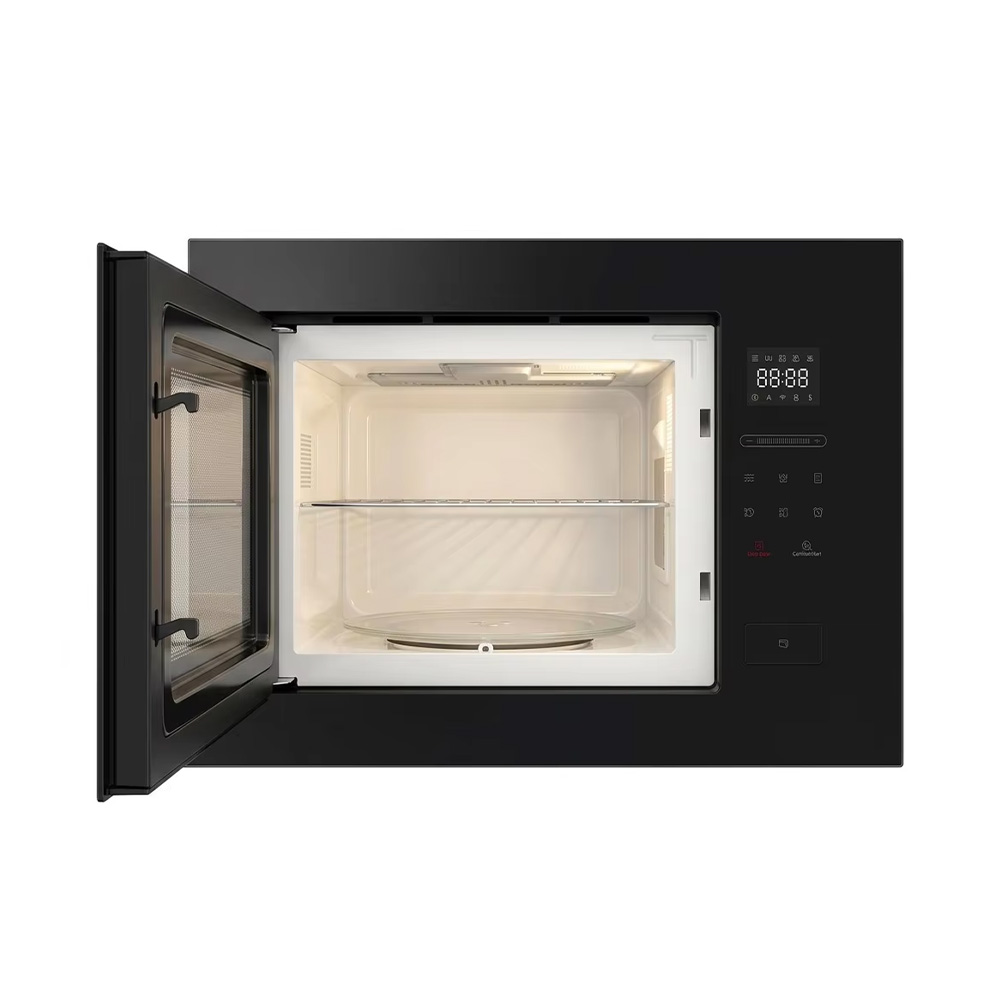
Commercial Guide to Built-In Microwave Capacity
When architectural designers, residential property developers, and home appliance distributors plan modern kitchen spaces, selecting the correct appliance dimensions stands out as a critical operational decision. Choosing the right appliance size directly influences cabinetry framing, daily kitchen ergonomics, and overall cooking satisfaction for end users. Sourcing or developing a high-performance
Evaluating Household Demographics and Internal Liter Capacities
To appreciate the engineering logic behind internal appliance sizing, one must examine how different liter capacities accommodate varying household cooking demands. Compact urban apartments and single-person households typically require smaller models ranging from twenty to twenty-five liters, which easily handle basic beverage reheating and single-dish defrosting without wasting counter or wall space. Conversely, growing families and culinary enthusiasts require larger cavities exceeding thirty liters to accommodate wide casserole dishes, whole poultry, and large dinner plates. Inside a certified safety-engineered
Cabinet Cutout Dimensions, Trim Kits, and Integrated Installation Engineering
Ensuring seamless cabinetry integration requires rigorous adherence to precise cutout dimensions, thermal ventilation clearances, and specialized installation trim kits. Manufacturing engineers must calibrate outer trim dimensions so that the appliance aligns flush with surrounding kitchen cabinets and adjacent wall ovens. During assembly line production, automated testing rigs subject every single
Multi-Functional Cooking Integration: Beyond Basic Heating to Advanced Oven Performance
Beyond standard reheating and thawing, modern integrated cooking appliances increasingly incorporate advanced convection baking and grilling capabilities. High-performance models combine high-frequency magnetron tubes with rear-wall heating elements and circulating convection fans, transforming a standard microwave into a versatile secondary oven. When global buyers evaluate a
Commercial Real Estate Procurement, Compliance Standards, and Retail Profit Margins
Commercial distributors and property developers also benefit significantly when they source appliances featuring certified electrical safety and international regulatory compliance. Regulatory bodies across Europe, North America, and Asia Pacific maintain strict energy efficiency and electrical insulation codes, requiring mandatory testing on all built-in kitchen equipment. Stocking fully certified units protects importing companies from costly customs delays, regulatory fines, and potential product liability claims. Furthermore, highlighting advanced capacity and multi-function features in wholesale catalogs builds immense B2B trust, assuring buyers that their housing inventory adheres to the highest international benchmarks. Selecting an export-ready
Partnering with Jiaye Group for Advanced Appliance Manufacturing
Delivering flawless integrated cooking technology to international markets requires a trusted manufacturing partner dedicated to precision engineering and stringent quality control standards. Jiaye Group stands out as a premier OEM and ODM manufacturer, supplying global appliance brands and commercial distributors with high-performance kitchen ventilation and cooking equipment. Operating certified ISO quality management systems, Jiaye Group integrates automated electrical safety testing, precision sheet metal fabrication, and comprehensive multi-stage quality inspections into every production line. Partnering with Jiaye Group provides global buyers with scalable manufacturing capacity, customized product development, and dependable supply chain support that drives enduring commercial success in competitive housing and retail markets. Choosing Jiaye Group as your primary
Frequently Asked Questions About Microwave Capacity Sizing
To assist retail buyers, property developers, and home appliance distributors in fully understanding built-in spatial requirements, several common technical inquiries merit detailed clarification.
Q: What is the ideal capacity liter size for a standard family household? A: For a standard family of three to five people, a cavity capacity between thirty and thirty-four liters is generally ideal, providing enough interior space for large dinner plates and casserole dishes without dominating kitchen wall cabinetry.
Q: Can a built-in microwave oven replace a traditional wall oven? A: Premium models equipped with convection baking, grilling, and inverter technology can successfully handle many everyday baking and roasting tasks, making them excellent secondary ovens or primary cooking units in compact urban apartments.
Q: How do custom trim kits affect the overall installation of an advanced
Q: Are larger capacity integrated models more difficult to install in existing kitchens? A: Larger models require wider cabinet cutouts and dedicated electrical circuits, meaning professional carpentry and electrical planning are recommended when retrofitting them into older kitchen layouts.
Q: Why do commercial developers prefer sourcing integrated appliances from certified manufacturers? A: Sourcing from certified manufacturers ensures compliance with international electrical standards, reduces warranty claims, and elevates the perceived luxury and market value of newly constructed residential properties.
Table of Contents
- Commercial Guide to Built-In Microwave Capacity
- Evaluating Household Demographics and Internal Liter Capacities
- Cabinet Cutout Dimensions, Trim Kits, and Integrated Installation Engineering
- Multi-Functional Cooking Integration: Beyond Basic Heating to Advanced Oven Performance
- Commercial Real Estate Procurement, Compliance Standards, and Retail Profit Margins
- Partnering with Jiaye Group for Advanced Appliance Manufacturing
- Frequently Asked Questions About Microwave Capacity Sizing