
 EN

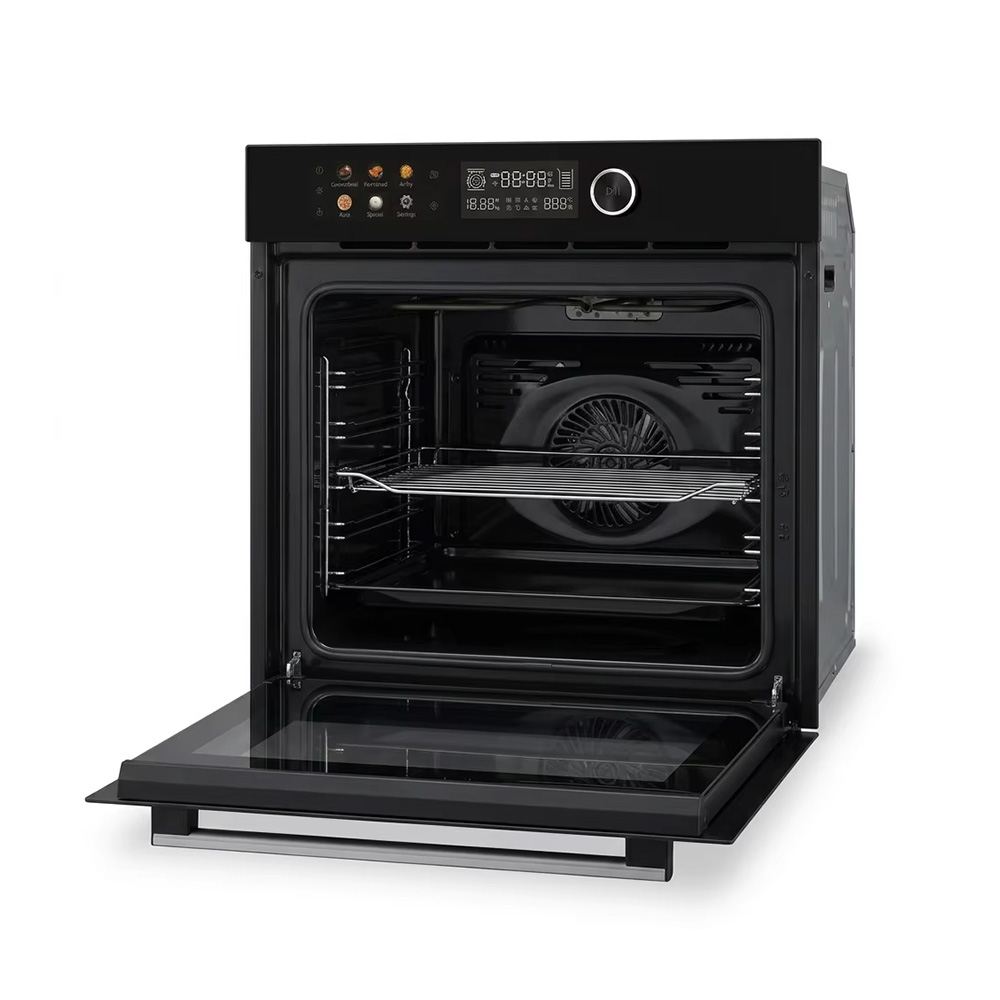
How Convection Fans Improve Electric Oven Cooking?
When global appliance importers, regional distributors, and home culinary enthusiasts evaluate modern kitchen appliance specifications, thermal air circulation stands out as a defining performance metric. Traditional cooking appliances occasionally suffer from uneven internal heating, resulting in food items that are over-baked on one side while remaining under-cooked on the other. Sourcing or developing a high-performance
Understanding Forced-Air Thermodynamics and Heat Circulation Mechanics
To appreciate the mechanical ingenuity behind modern convection baking, one must examine how internal air circulation accelerates heat transfer. Inside a certified safety-engineered
Factory Calibration Protocols and Rigorous Motor Endurance Testing
Ensuring long-term reliability in convection motor systems requires rigorous factory calibration and precise mechanical tolerance testing during production. Manufacturing engineers must calibrate fan bearing durability and dynamic blade balancing so that the motor operates quietly and efficiently within international acoustic and electrical limits. During assembly line testing, automated test rigs subject every single
Aerodynamic Cavity Design, Baffling, and High-Grade Material Selection
Beyond internal motor mechanics, overall system integrity relies heavily on robust cavity geometry, optimized baffle design, and corrosion-resistant thermal insulation. Because convection fans endure continuous high-temperature cycling, grease vaporization, and direct exposure to moisture, selecting high-grade stainless steel components is essential for preventing premature hardware failure. Premium manufacturing facilities utilize specialized aerodynamic air ducts and high-efficiency thermal seals that direct airflow smoothly around multiple baking sheets without creating turbulent dead zones. When global buyers evaluate an
Regulatory Compliance, Energy Efficiency, and Consumer Trust
Commercial distributors and retail brand managers also benefit significantly when they market kitchen appliances featuring certified, multi-mode convection cooking systems. Regulatory bodies across Europe, North America, and Asia Pacific maintain strict energy efficiency and thermal performance compliance codes, requiring mandatory testing on all forced-air cooking equipment. Stocking fully certified units protects importing companies from costly customs delays, regulatory fines, and potential product liability claims. Furthermore, highlighting advanced convection features in retail marketing campaigns builds immense consumer trust, assuring homeowners that their baking equipment adheres to the highest international culinary benchmarks. Selecting an export-ready
Partnering with Jiaye Group for Advanced Appliance Manufacturing
Delivering flawless convection cooking technology to international markets requires a trusted manufacturing partner dedicated to precision engineering and stringent quality control standards. Jiaye Group stands out as a premier OEM and ODM manufacturer, supplying global appliance brands and commercial distributors with high-performance kitchen ventilation and cooking equipment. Operating certified ISO quality management systems, Jiaye Group integrates automated electrical safety testing, precision motor calibration, and comprehensive multi-stage quality inspections into every production line. Partnering with Jiaye Group provides global buyers with scalable manufacturing capacity, customized product development, and dependable supply chain support that drives enduring commercial success in competitive housing and retail markets. Choosing Jiaye Group as your primary
Frequently Asked Questions About Convection Cooking
To assist retail buyers, culinary enthusiasts, and home appliance distributors in fully understanding forced-air thermal systems, several common technical inquiries merit detailed clarification.
Q: How does a convection fan differ from a standard electric oven heating element?
A: A standard electric oven relies on static radiant heat from upper and lower heating coils, which can create uneven temperature zones. A convection fan actively circulates heated air throughout the cooking cavity, eliminating hot and cold spots to ensure uniform baking and roasting across all rack levels.
Q: Does cooking in a convection oven require lower temperatures or shorter times?
A: Yes, because forced air transfers heat more efficiently to food surfaces, recipes typically require reducing the baking temperature by twenty-five degrees Fahrenheit or shortening overall cooking times by about twenty to twenty-five percent to prevent over-browning.
Q: Can multiple trays of cookies be baked simultaneously in an advanced
A: Absolutely, as the continuous cyclonic airflow distributes thermal energy evenly across every rack level, allowing home bakers and professionals to bake multiple trays of cookies or pastries at the same time with identical browning results.
Q: Is a convection fan noisy during high-temperature baking cycles?
A: High-quality convection units utilize dynamically balanced motor blades and acoustic insulation to maintain ultra-quiet operation, ensuring that fan noise remains minimal even during high-speed circulation.
Q: Why is convection cooking more energy-efficient than traditional baking?
A: Convection cooking cooks food faster and at slightly lower temperatures by removing the stagnant thermal boundary layer around food items, an accelerated heat transfer that reduces total electricity consumption per cooking cycle and lowers utility costs for end users.
Table of Contents
- How Convection Fans Improve Electric Oven Cooking?
- Understanding Forced-Air Thermodynamics and Heat Circulation Mechanics
- Factory Calibration Protocols and Rigorous Motor Endurance Testing
- Aerodynamic Cavity Design, Baffling, and High-Grade Material Selection
- Regulatory Compliance, Energy Efficiency, and Consumer Trust
- Partnering with Jiaye Group for Advanced Appliance Manufacturing
- Frequently Asked Questions About Convection Cooking