Navigating Modern Kitchen Safety Challenges
Modern culinary environments demand exceptionally high standards of safety, energy efficiency, and operational convenience. Whether operating busy residential kitchens or fast-paced commercial catering setups, managing accidental burns, unattended heating elements, and energy waste remains a constant priority for cooks and facility managers alike. Traditional electric or gas burners often retain dangerous residual heat long after use, presenting continuous hazards if cookware is inadvertently shifted or left unattended. To overcome these inherent vulnerabilities, contemporary smart kitchen appliances incorporate advanced sensor technologies that fundamentally transform how heating elements interact with cookware. By combining high-frequency electromagnetic energy transfer with intelligent detection circuitry, modern kitchen hardware establishes a secure cooking environment that protects users, prevents domestic accidents, and streamlines daily meal preparation routines without compromising heating performance.
How Electromagnetic Sensing Safeguards Daily Cooking
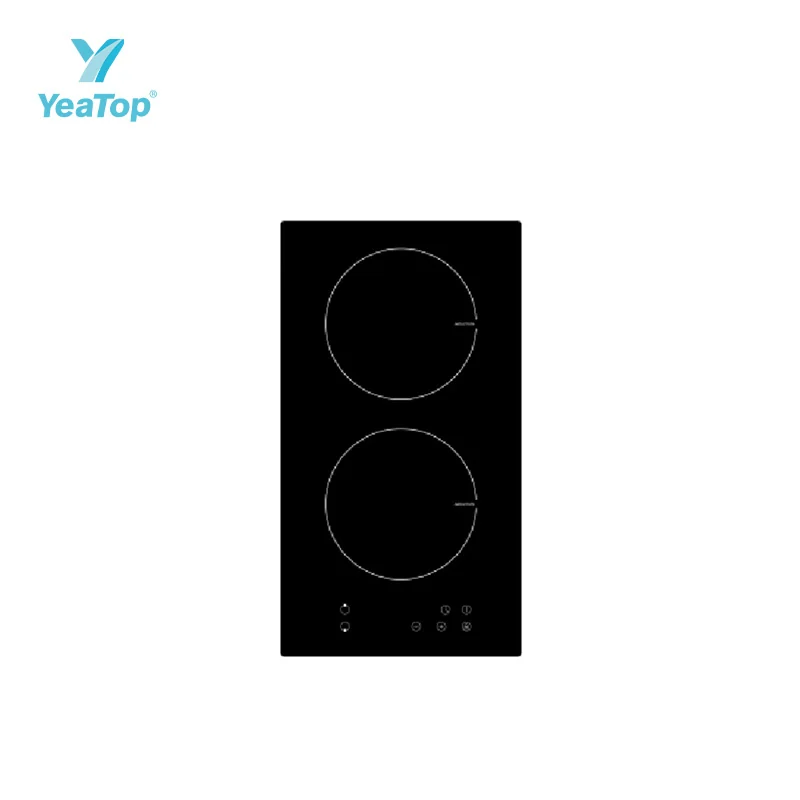
At the core of any advanced induction cookers lies a sophisticated microchip-controlled network designed to recognize whether a compatible ferromagnetic pot or pan rests securely upon the smooth glass ceramic surface. When a user places suitable cookware onto the active heating zone, high-frequency magnetic fields generate localized eddy currents directly within the pan base, instantly initiating efficient thermal transfer into the food. However, if the pan is lifted away during cooking or if an unsuitable object is accidentally placed on the glass surface, the internal sensors immediately register the absence of a proper metallic load. This triggers an immediate automatic shutdown or low-power standby sequence within milliseconds, preventing stray electromagnetic radiation emission and completely eliminating the danger of accidental surface ignition or dry heating. This active monitoring mechanism ensures that electrical energy is never wasted on empty space, offering immense peace of mind for families with curious children or high-paced professional chefs managing multiple dishes simultaneously.
Technical Principles Behind Smart Sensor Integration
The engineering backbone behind auto pan detection relies on continuous impedance monitoring, phase angle tracking, and resonance detection embedded within the internal power boards and high-grade copper coils. When operating premium built-in induction hobs, the microprocessor control unit dispatches low-amplitude pulse signals continuously to detect subtle changes in magnetic circuit resonance. If the magnetic permeability and electrical resistance match the preset operational threshold of ferrous cookware, full operating power is swiftly delivered. Conversely, if circuit parameters fall outside acceptable ranges, the system instantly restricts power output and displays a clear visual error code or warning tone. This engineering rigor requires precise component matching, stable insulated gate bipolar transistor modules, and rigorous thermal management to ensure that false triggers do not occur during rapid cooking adjustments, vigorous pan tossing, or when ingredients are added dynamically.
Elevating Energy Efficiency Through Precision Control
Safety features and energy conservation go hand in hand in modern culinary technology. Because an induction cooker transfers thermal energy directly into cookware via magnetic coupling rather than heating surrounding ambient air or glass panels, thermal efficiency reaches remarkable levels, frequently exceeding eighty-five percent. When integrated with intelligent pan detection, energy waste drops even further across daily operations. If a burner is accidentally left switched on after removing a skillet, the system detects the empty zone and enters an ultra-low-power standby mode instantly. This precision minimizes unnecessary electricity consumption, significantly reduces kitchen ambient heat, and lowers utility overhead for households and commercial establishments alike, fully supporting sustainable lifestyle practices while maintaining maximum heating power when active cooking resumes.
Manufacturing Excellence and Global Supply Reliability
Delivering consistent safety performance and enduring reliability across diverse international markets requires rigorous quality control systems and deep manufacturing expertise. Jiaye Appliances has spent over a decade refining production systems for energy efficient cooktops and related commercial cooking equipment, establishing robust testing protocols ranging from raw material component inspection to final electrical safety validation. Every manufactured unit undergoes strict functional testing for heating stability, touch control responsiveness, and sensor accuracy before leaving the production facility. By maintaining flexible minimum order quantities, transparent technical documentation, and comprehensive spare parts support across more than eighty countries, Jiaye Appliances empowers global brand partners to deliver reliable, safe, and certified cooking solutions to their local consumer markets with absolute confidence and distinction.
Frequently Asked Questions
Q: How does an induction cooker detect whether a pan is present?
A: It uses continuous high-frequency pulse signals to monitor impedance and magnetic circuit resonance. If compatible ferrous cookware is detected on the ceramic glass, energy transfer initiates; otherwise, the unit remains in standby.
Q: What happens if I remove my pan while cooking on an induction hob?
A: The internal sensors instantly recognize the load removal, interrupt power delivery within milliseconds, and typically trigger an indicator light or automatic standby mode to ensure safety.
Q: Can non-magnetic pans trigger the auto pan detection system?
A: No. Materials such as pure copper, aluminum, or standard glass without an integrated magnetic stainless steel base will not alter the magnetic circuit sufficiently, preventing the appliance from activating.
Q: Does auto pan detection help reduce monthly electricity bills?
A: Yes, by preventing the hob from heating empty zones or running idly when cookware is lifted, it eliminates unnecessary power consumption and maximizes overall thermal efficiency.
Q: Are induction cookers safe for households with young children or pets?
A: They are exceptionally safe because the glass surface stays relatively cool compared to traditional open-flame stoves, and auto pan detection immediately halts heating when no pot is present.

 EN