
 EN
EN

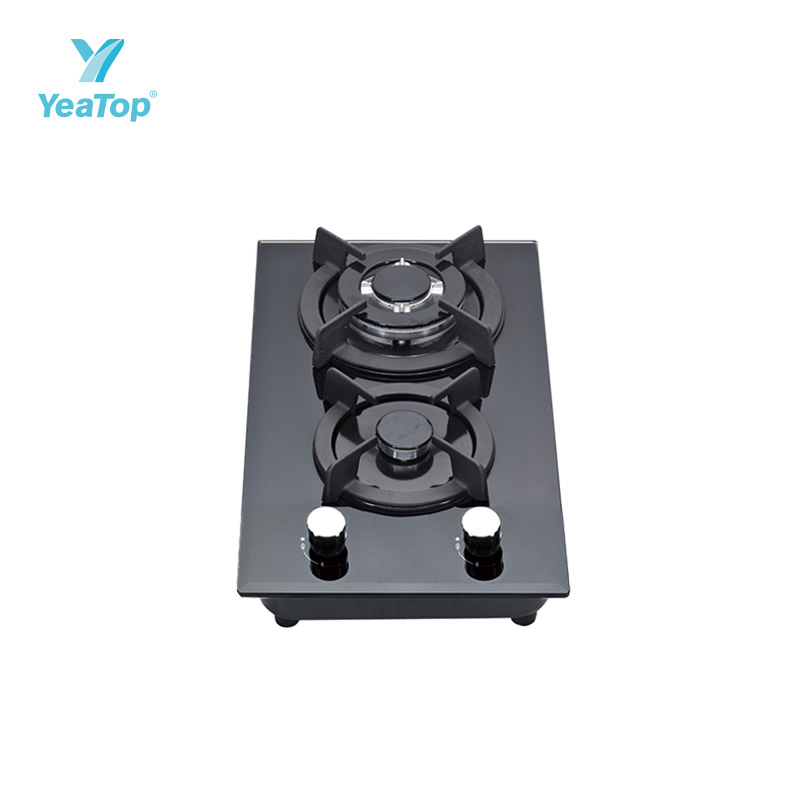
For global distributors, home appliance brand owners, and procurement managers, introducing a new cooking appliance to market involves strict safety standards and continuous quality checks. Among all internal components of a modern cooking unit, the valve assembly controls fuel regulation and flame ignition, making it critical for user safety. A minor leak, unstable gas flow, or slow flame response in a residential or commercial
Understanding Primary Gas Hob Valve Safety Functions and Standards
Before inspecting individual components on the factory floor, quality teams must understand the core safety functions built into a modern valve assembly. The primary valve regulates gas flow from the supply line to the burner head, while integrated flame failure devices (FFD) cut off the gas supply if the flame goes out unexpectedly. In a high-quality
Performing 100% Micro-Barometric Gas Leakage and Pressure Drop Tests
The most critical safety check for any valve assembly is verifying absolute airtightness under pressure. Even a micro-leak undetectable by standard bubble solutions can cause gas buildup inside a cabinet over time. Quality control teams run every
Testing Flame Failure Device Response Times and Thermocouple Millivolts
Safety regulations worldwide mandate that modern gas appliances include automatic shut-off systems to prevent unburned gas accumulation. The flame failure device relies on a thermocouple positioned near the burner head that generates a tiny millivolt current when heated by the flame. This electrical current powers a solenoid magnet inside the main valve body, holding the internal valve open during cooking. Inspectors test this safety mechanism on every
Evaluating Valve Operating Torque and Mechanical Shaft Alignment
User experience and product safety depend on the smooth mechanical action of control knobs and valve stems. A valve stem that turns too loosely can be accidentally bumped open, while a stem that feels stiff or sticky creates difficulty for end users. Quality auditors evaluate the rotational torque of every
Conducting Accelerated Thermal Fatigue and Endurance Lifecycle Trials
While individual checks confirm initial quality on the assembly line, laboratory endurance testing proves long-term durability under simulated cooking conditions. Testing engineers pull sample units off the line and place them into environmental testing chambers for continuous cycling. Over thousands of cycles, automated mechanical arms activate the valve stem while gas burners undergo rapid heating and cooling phases. This accelerated testing simulates years of daily kitchen usage, exposing valve seals, springs, and lubricants to continuous heat and mechanical stress. After cycling, technicians dismantle the test units to inspect internal rubber seals for hardening, measure wear on brass components, and verify that gas seal integrity remains intact. Passing these rigorous endurance trials confirms that the
Partnering with Zhongshan Jiaye Electrical Appliance Technology Co., Ltd.
Delivering reliable, safe cooking appliances to global markets requires a manufacturing partner dedicated to engineering excellence and strict quality standards.
Table of Contents
- Understanding Primary Gas Hob Valve Safety Functions and Standards
- Performing 100% Micro-Barometric Gas Leakage and Pressure Drop Tests
- Testing Flame Failure Device Response Times and Thermocouple Millivolts
- Evaluating Valve Operating Torque and Mechanical Shaft Alignment
- Conducting Accelerated Thermal Fatigue and Endurance Lifecycle Trials
- Partnering with Zhongshan Jiaye Electrical Appliance Technology Co., Ltd.