
 EN
EN

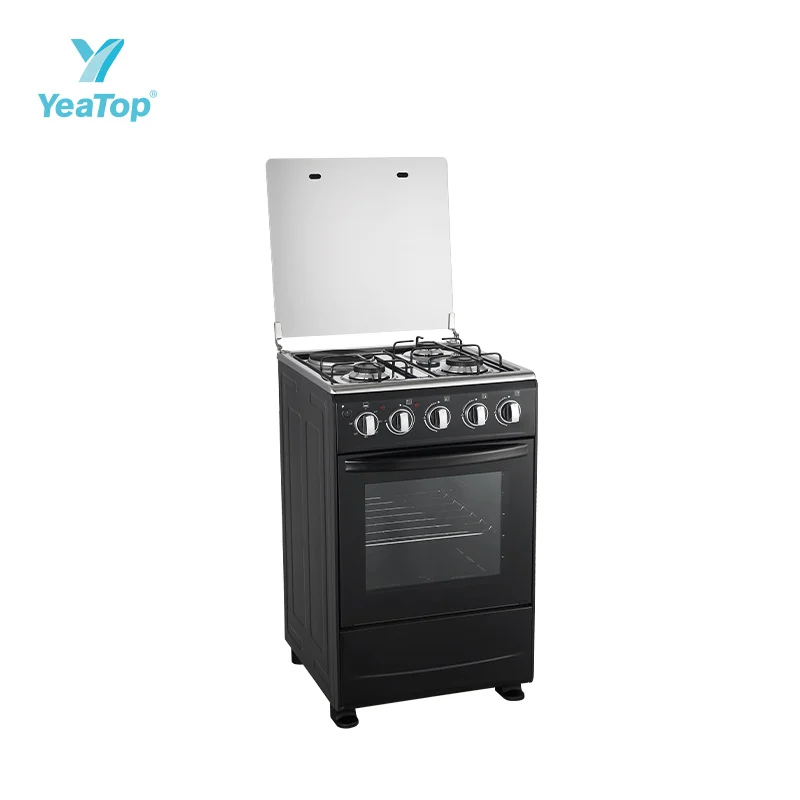
Engineering Importance of Hinge Systems in Commercial Ovens
When evaluating commercial appliances or high-capacity residential kitchen equipment, the door hinge system on a heavy use
Structural Material Standards and Metallurgical Construction
The long-term mechanical durability of a commercial oven door hinge begins with material selection and advanced metallurgical structural engineering. Standard household appliance hinges frequently rely on thin stamped sheet metal and basic rivets, but a heavy-duty commercial oven requires high-grade stainless steel plates, reinforced spring alloys, and heat-resistant solid brass bushings. During active baking operations, an oven door must sustain substantial mechanical torque while supporting heavy multi-pane tempered glass viewing panels, heavy-gauge inner liners, and thick structural insulation layers. Premium hinge mechanisms utilize cold-rolled structural carbon steel combined with specialized anti-corrosion electroplated surface treatments to resist grease buildup, acidic food steam, and aggressive chemical cleaning compounds. Choosing robustly engineered materials prevents long-term hinge misalignment, door sagging, and latching failures over years of demanding culinary usage.
Thermal Stability and High-Temperature Lubrication Solutions
High-temperature thermal resistance represents another indispensable durability standard for any oven hinge system subjected to continuous commercial heating cycles. Internal operating temperatures inside a high-output commercial oven or baking unit frequently reach between 250 and 300 degrees Celsius, radiating intense thermal energy directly toward the surrounding front frame and hinge pivot mechanisms. Standard mechanical lubricants decompose, carbonize, or dry out rapidly under these extreme conditions, causing severe hinge stiffness, annoying squeaking noises, and mechanical binding. Advanced oven hinge designs incorporate specialized high-temperature synthetic silicone grease, self-lubricating graphite bushings, or ceramic thermal barriers. These high-performance components allow the oven door to pivot smoothly without binding, preserving consistent, uniform sealing pressure against the surrounding high-temperature silicone or braided fiberglass door gasket.
Cycle Testing Benchmarks and Mechanical Fatigue Resistance
Rigorous automated cycle testing serves as the definitive industry benchmark for validating oven door hinge endurance under heavy commercial usage conditions. Leading international appliance certification standards require a commercial-grade oven hinge assembly to complete between 50,000 and 100,000 continuous open-and-close cycles without suffering structural deformation, spring fatigue, or seal displacement. During automated factory laboratory testing, mechanical pneumatic actuators repeatedly swing the heavy oven door to its maximum opening angle and snap it shut at varying operational speeds and ambient temperature elevated conditions. Maintaining consistent movement resistance, smooth counterbalancing, and soft-closing tension throughout these exhaustive test cycles proves that the oven door assembly can easily handle real-world commercial kitchen demands without mechanical failure.
Ergonomic Counterbalancing and Soft-Close Safety Features
Beyond raw mechanical endurance, user safety and ergonomic daily operation depend heavily on precise oven door hinge counterbalancing and soft-close technology. A fully insulated, multi-pane commercial oven door can weigh upwards of 10 to 15 kilograms, creating a significant pinch hazard and impact risk if allowed to slam shut unexpectedly during fast-paced kitchen operations. Modern high-end hinge mechanisms incorporate multi-stage torsion springs and hydraulic or friction dampening cartridges that hold the oven door securely at multiple designated opening angles, such as 15 degrees for safe steam venting or 90 degrees for convenient pan loading. Smooth, controlled movement reduces physical strain on kitchen personnel while preventing violent door impacts that could shatter expensive glass viewing panels or disturb delicate internal heating elements.
Economic Impact of Durable Hinge Assemblies on Kitchen Operations
Selecting kitchen appliances built around verified hardware durability standards drastically minimizes long-term maintenance costs and operational downtime for commercial food service businesses. When an oven hinge fails in a busy commercial environment, replacing the damaged mechanism often requires disassembling internal cabinet panels, removing thick insulation blankets, and replacing surrounding heat seals, leading to expensive technical service fees and lost kitchen productivity. By investing in appliances built with heavy-duty oven hinges, commercial kitchens protect their operational continuity, maintain strict food safety standards, and lower their total overall cost of ownership. Partnering with reputable manufacturers ensures that every structural component undergoes rigorous factory inspection and material testing before reaching the global commercial market.
Advanced Manufacturing Excellence for High-Performance Appliances
Meeting international quality standards for heavy-duty kitchen equipment requires robust engineering expertise, advanced manufacturing facilities, and integrated supply chain management. By combining automated precision SMT circuit production, computerized metal stamping lines, and comprehensive
Table of Contents
- Engineering Importance of Hinge Systems in Commercial Ovens
- Structural Material Standards and Metallurgical Construction
- Thermal Stability and High-Temperature Lubrication Solutions
- Cycle Testing Benchmarks and Mechanical Fatigue Resistance
- Ergonomic Counterbalancing and Soft-Close Safety Features
- Economic Impact of Durable Hinge Assemblies on Kitchen Operations
- Advanced Manufacturing Excellence for High-Performance Appliances