
 EN
EN

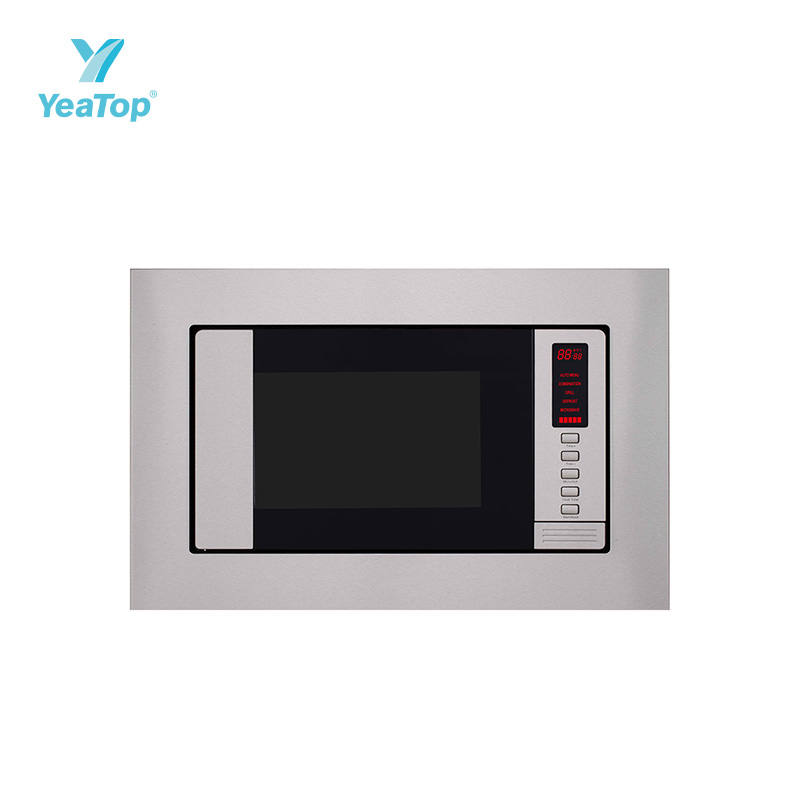
Mastering Kitchen Integration with Standard Cutout Measurements
Modern kitchen refits and architectural renovations rely heavily on seamless cabinet integration to create a streamlined, upscale culinary environment. At the center of this design philosophy sits the modern
Understanding Standard Width Specifications for Integrated Appliances
When planning cabinetry layouts for a
Calculating Vertical Cutout Heights and Internal Cabinet Depths
While width dimensions receive the most attention during early kitchen planning, vertical height and internal depth tolerances are equally critical for a successful fit. A standard single built in oven requires a vertical cabinet cutout height ranging between 585mm and 595mm. This dimension ensures that the front glass door aligns horizontally with surrounding drawer lines without binding against adjacent panel edges. Furthermore, double units or compact steam combination models require specialized height cutouts, often spanning between 880mm to 1080mm. Internal cabinet depth requires a minimum clear space of 550mm to 580mm, providing necessary clearance for heavy duty power supply cords, rear junction boxes, and crucial heat dissipation channels behind the built in oven.
Managing Thermal Ventilation and Cabinet Protection Standards
Proper thermal management inside built-in cabinetry remains essential for protecting surrounding wooden carcasses, decorative laminate finishes, and delicate electronic control boards. An improperly fitted appliance operating in a cramped or unventilated cabinet cavity traps intense heat during extended baking cycles. To prevent thermal degradation, high quality cabinet construction incorporates a dedicated lower air intake gap or a rear ventilation chimney measuring at least 45 to 50 square centimeters. Combined with internal cooling fans, this ventilation path draws ambient air from the bottom, passes it across internal heat shields, and exhausts warm air through front louver vents, keeping surrounding cabinet touch points cool and preventing moisture buildup around your built in oven.
Preparing Structural Support Bases and Electrical Infrastructure
Ensuring long-term stability and operational safety requires sturdy cabinet base preparation and compliant electrical planning. A fully loaded built in oven carrying heavy cast iron cookware, large roasts, or multi-shelf baking dishes can easily exert a working weight of 40 to 50 kilograms. Cabinet support shelves must utilize reinforced, moisture resistant materials capable of handling heavy static loads over many years without sagging. On the electrical side, proper installation demands a dedicated high amperage circuit, correct wire gauge selection, and an easily accessible isolation switch placed outside the direct thermal zone. Adhering to these structural and electrical guidelines ensures that your kitchen installation remains safe, secure, and fully compliant with local building regulations.
Avoiding Common Installation Pitfalls During Kitchen Handover
On-site delays during kitchen handovers often stem from simple oversights during preliminary cabinetry fabrication. A frequent mistake involves forgetting to account for protruding gas valves or conduit junction boxes that encroach upon the internal 550mm depth clearance. Another common issue occurs when cabinet doors directly above or below the built in oven lack sufficient edge clearance, causing the appliance glass frame to rub against cabinet doors during opening. Verifying hinge clearance angles and confirming that electrical outlets reside in adjacent accessible cabinets rather than directly behind the rear wall helps installation teams avoid costly rework, ensuring a flawless finish for every project handover.
Partnering with Advanced OEM Manufacturing for Reliable Kitchen Appliances
Achieving perfect cabinet integration across large-scale residential developments requires kitchen appliances built with tight manufacturing tolerances and consistent quality standards. Advanced manufacturing facilities equipped with automated CNC sheet metal stamping, precision laser welding, and rigorous thermal safety testing ensure every appliance meets exact global cutout specifications. By engineering high performance
Table of Contents
- Mastering Kitchen Integration with Standard Cutout Measurements
- Understanding Standard Width Specifications for Integrated Appliances
- Calculating Vertical Cutout Heights and Internal Cabinet Depths
- Managing Thermal Ventilation and Cabinet Protection Standards
- Preparing Structural Support Bases and Electrical Infrastructure
- Avoiding Common Installation Pitfalls During Kitchen Handover
- Partnering with Advanced OEM Manufacturing for Reliable Kitchen Appliances