
 EN

Everyday Cooking Demands on an Infrared Cooker Surface
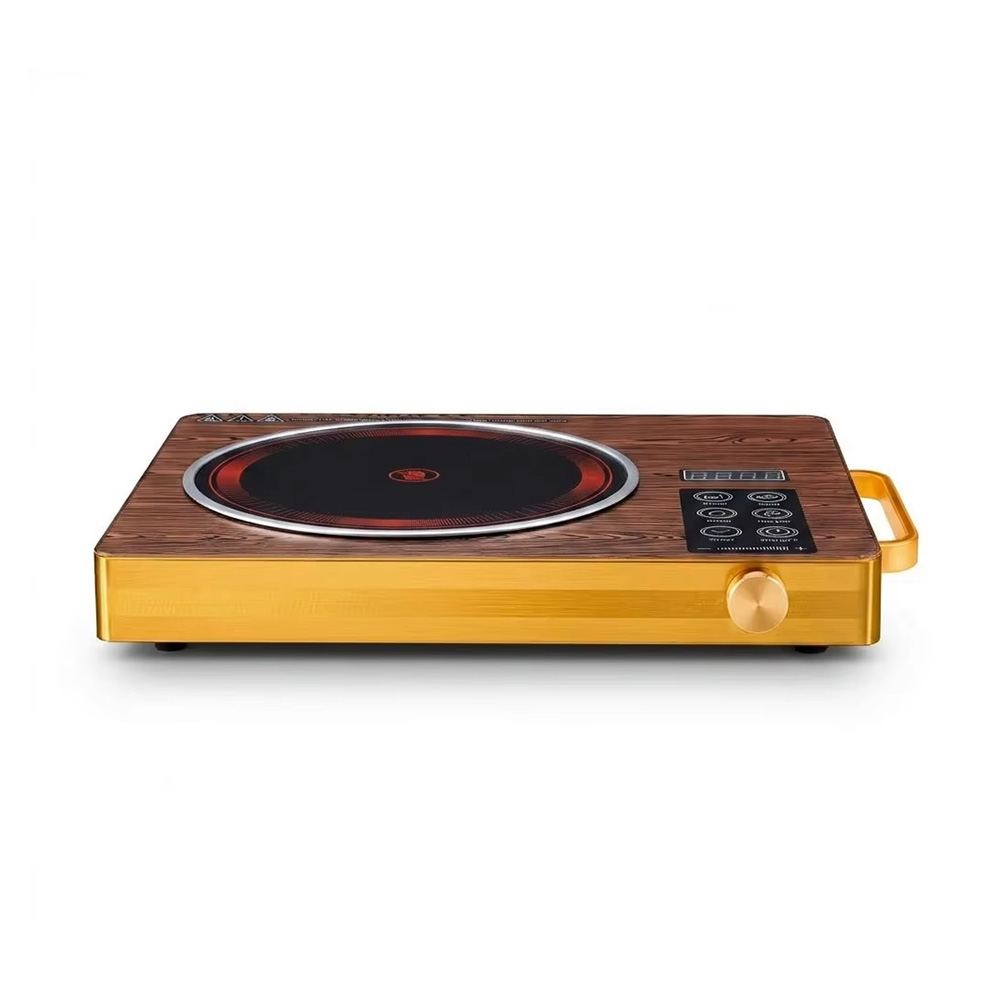
In a modern kitchen, the flat black top plate of an infrared cooker serves as both the main cooking area and the visual centerpiece of the countertop. Unlike traditional gas stoves that use open flames or magnetic induction hobs that require specific magnetic pans, an infrared cooker generates heat through an internal electric heating element positioned beneath the glass-ceramic surface. When the appliance is turned on, radiant heat travels upward through the panel directly to the bottom of the cookware. Because the top plate directly handles high cooking temperatures while supporting the weight of filled pots and pans, its material quality plays a major role in everyday performance. During normal meal preparation, home cooks move saucepans across the cooking zone, deal with occasional water or soup spills, and wipe down the surface after dinner. Understanding the practical quality standards of ceramic glass helps both household users and commercial appliance buyers select an infrared cooker that remains reliable and neat over long-term use.
Heat Resistance and Temperature Stability in Daily Use
A key requirement for any ceramic glass panel used on an infrared cooker is dependable heat resistance. When a burner is active, the central cooking zone heats up quickly to boil water, fry food, or simmer stews, while the surrounding border and the front control panel area need to stay cool enough for safe finger operation. Standard glass materials can struggle with this uneven temperature distribution between the hot cooking circle and the cooler outer edges. Quality ceramic glass designed for an infrared cooker is formulated to handle these localized temperature differences smoothly. In everyday kitchen situations, a cook might place a room-temperature pot onto a warm burner or accidentally splash a little cool liquid near the heating area while stirring a dish. A well-made ceramic glass surface maintains its structural stability under normal temperature changes, giving families and apartment residents a dependable cooking platform for their daily meals.
Efficient Heat Transfer and Universal Cookware Compatibility
Beyond handling heat safely, the top panel of an infrared cooker must allow thermal energy to pass through efficiently so food cooks evenly without wasting electricity. Quality ceramic glass is manufactured to present a clean, sleek appearance on the outside while allowing radiant heat from the lower heating element to transfer smoothly to the vessel above. When an infrared cooker is built with well-crafted ceramic glass cooktops, the burner heats up promptly and distributes warmth evenly across the base of the pan. This direct radiant heating method also gives the infrared cooker one of its most practical everyday advantages: universal cookware compatibility. Users do not need to buy special magnetic pots. Whether a kitchen uses stainless steel pans, cast iron skillets, aluminum pots, copper vessels, heat-resistant glass teapots, or ceramic casseroles, a flat-bottomed pot works effectively on the surface. This versatility applies across different appliance styles, from compact portable tabletop units to multi-burner built-in hobs and hybrid cooktops that pair induction and radiant zones on one panel.
Surface Durability and Easy Maintenance for Busy Kitchens
Daily cooking involves plenty of physical contact between cookware and the stove surface. Pots are lifted, positioned, and occasionally shifted across the burner, which means the ceramic glass on an infrared cooker needs solid surface durability. Good quality panels feature a smooth, dense finish that resists everyday wear and minor surface scratches from normal flat-bottomed cookware. In addition to physical sturdiness, easy maintenance is a major priority for busy households. Cooking often leaves behind grease splatters, starchy water rings, or sauce drips. On a poorly finished surface, residue can stick stubbornly and dull the appearance of the stove over time. By contrast, a properly polished ceramic glass panel on an infrared cooker has a non-porous surface that prevents food spills from soaking in. Once the cooking zone cools down, users can easily wipe away oil and food marks with a soft cloth and mild detergent, keeping the appliance looking clean and tidy with minimal effort.
Reliable Touch Controls and Built-In Safety Features
The ceramic glass panel also serves as the interface between the user and the internal electronic system of the infrared cooker. In modern kitchen designs, buyers frequently look for custom kitchen appliances that replace mechanical knobs with flat sensor touch controls or smooth slider controls printed directly on the glass surface. For these touch buttons to respond accurately when a user adjusts power levels or sets a cooking timer, the ceramic glass must have consistent thickness and reliable electrical insulation properties. Good electrical insulation is equally important above the heating element, ensuring the top surface remains safe to use at normal operating temperatures. Furthermore, quality ceramic glass works alongside the internal sensors of the infrared cooker to support practical safety functions. Features such as a boost function for faster heating, a child safety lock to prevent accidental activation, residual heat warnings, and automatic overheat protection all rely on stable thermal and electronic coordination through the top plate.
Why Panel Quality Matters for Appliance Buyers and Distributors
From a commercial sourcing perspective, the quality of the ceramic glass panel directly affects customer satisfaction and after-sales service costs. When appliance wholesalers, retail chain buyers, or apartment project contractors order portable single-burner tabletop models, freestanding cookers, or built-in hobs, they want products that perform consistently in end-user kitchens. If an infrared cooker is assembled with low-grade glass, distributors may face higher rates of customer complaints regarding slow heating, hard-to-clean stains, or inconsistent touch control response. Handling product returns and replacements takes time and reduces business profitability. Choosing an infrared cooker built with verified, standard-compliant ceramic glass helps brands build a trustworthy reputation in local markets. End consumers appreciate a cooking surface that heats their existing pots evenly, responds smoothly to touch commands, and cleans up quickly after everyday use.
Working with an Experienced Manufacturer for Custom Supply
Delivering stable product quality across different market requirements depends on working with a manufacturer that understands both component selection and practical assembly standards. With 11 years of industry experience and products exported to more than 80 countries, Jiaye Electric focuses on practical design and consistent production for global partners. Whether clients are sourcing a portable single-burner desktop infrared cooker for flexible tabletop cooking, a built-in ceramic cooker with 1 to 5 burners for modern kitchen cabinetry, or a freestanding ceramic cooker, Jiaye Appliances pairs dependable ceramic glass panels with functional control boards and durable stainless steel or powder-coated housings. Each infrared cooker goes through structured quality checks during production to confirm heating performance, touch responsiveness, and operational safety. Supported by organized supply chain management—demonstrated by completing bulk production and delivery within 45 days even during periods of material market fluctuations—Jiaye Group provides global partners with flexible OEM and ODM infrared cooker solutions, including custom logo printing, tailored panel graphics, low minimum order quantities, and ongoing spare parts support.
Frequently Asked Questions About Infrared Cooker Ceramic Glass
Can any type of pot or pan be used on a ceramic glass infrared cooker?
Yes, broad cookware compatibility is a standard feature of an infrared cooker. Because heat is transferred through radiant energy rather than magnetic induction, the ceramic glass surface works with stainless steel, cast iron, aluminum, copper, ceramic, clay pots, and heat-resistant glass cookware. Using cookware with a flat, smooth bottom is recommended for the best contact and heating efficiency.
How does the ceramic glass surface handle temperature changes during cooking?
A quality infrared cooker uses specialized glass-ceramic material designed to withstand the normal temperature differences between the hot cooking zone and the cooler surrounding surface. While it handles everyday cooking heat and minor spills reliably, users should still follow standard care practices, such as avoiding sliding rough-bottomed pans or pouring large amounts of cold liquid directly onto a very hot burner.
What features are commonly integrated into the ceramic glass control panel?
Depending on the model, the ceramic glass panel on an infrared cooker typically includes sensor touch or slider controls, digital power level displays, a programmable timer, and a boost function. For household safety, models also commonly feature a child safety lock and overheat protection indicators.
What is the proper way to clean the ceramic glass surface of an infrared cooker?
Always wait until the appliance has cooled down after cooking before cleaning. For daily maintenance, wipe the ceramic glass surface with a damp soft cloth and a small amount of mild dish soap or specialized cooktop cleaner. Avoid using abrasive steel wool or harsh chemical sprays, as gentle wiping is sufficient to keep the smooth surface clean.
What should a user do if the ceramic glass panel gets damaged or cracked?
If a heavy object accidentally drops onto the infrared cooker and causes a crack in the ceramic glass panel, stop using the appliance immediately and disconnect it from the power supply. A cracked surface can allow water or cooking liquids to reach the internal electrical components, so the panel should be inspected and replaced by qualified service personnel before further use.
Table of Contents
- Everyday Cooking Demands on an Infrared Cooker Surface
- Heat Resistance and Temperature Stability in Daily Use
- Efficient Heat Transfer and Universal Cookware Compatibility
- Surface Durability and Easy Maintenance for Busy Kitchens
- Reliable Touch Controls and Built-In Safety Features
- Why Panel Quality Matters for Appliance Buyers and Distributors
- Working with an Experienced Manufacturer for Custom Supply
- Frequently Asked Questions About Infrared Cooker Ceramic Glass