
 EN
EN

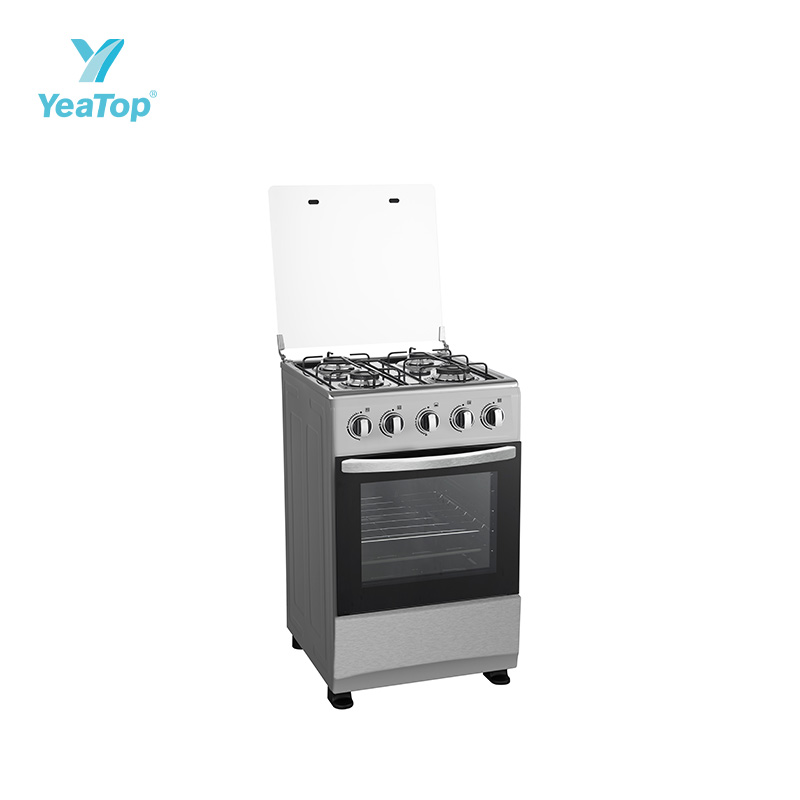
Why Pan Supports Matter More Than You Think on a Gas Stove
When shopping for a new gas stove, most people focus on flame power, burner count, and the sleek look of the glass or stainless steel top. But during everyday cooking, your cookware never actually touches the burner. It sits on the pan supports. The pan supports on your gas stove take the brunt of every culinary task. They hold heavy pots filled with boiling water, withstand direct open flames for hours, and catch hot grease splatters. If the grates on your gas stove are slippery, your pans will slide whenever you stir. If they are poorly built, they can wobble, scratch your cooktop, or sag over time. Manufacturers like Zhongshan Jiaye Electrical Appliances Tech Co., Ltd. produce both cast iron and enameled steel options for global brands. Choosing between cast iron and enamel pan supports comes down to how you cook, how much time you want to spend cleaning, and what kind of cooking experience you expect from your gas stove.
The Case for Cast Iron: Heavy, Stable, and Built for Serious Heat on Your Gas Stove
Cast iron pan supports give any gas stove an unmistakable, professional kitchen feel. Made by pouring molten iron into sand molds, cast iron has a rough, porous texture and substantial physical weight. That rough surface provides strong grip. When you stir-fry vegetables in a round wok or sear meat in a heavy skillet, the cookware stays firmly in place on the gas stove without sliding around. Beyond stability, cast iron acts like a thermal sponge. It absorbs heat from the gas stove burner and radiates that warmth evenly across the bottom of your pot, helping reduce hot spots during long simmers. However, cast iron requires thoughtful care. Because the metal is porous, you should never leave cast iron grates sitting in a sink full of soapy water overnight, or they can rust. Regular wipe-downs, prompt drying, and occasional light seasoning keep cast iron supports on your gas stove looking rugged and working smoothly for decades.
The Case for Enamel: Lightweight Convenience and Fast Cleanup for Your Gas Stove
Enamel pan supports offer a lighter, practical alternative designed for fast cleanup and everyday family meals. These supports start as stamped heavy-gauge steel that gets coated in porcelain glass enamel and baked at high temperatures. The result is a smooth, glossy, or semi-matte finish that complements any modern gas stove surface. The major advantage here is non-porous hygiene. When acidic tomato sauce, boiling milk, or sticky grease drips onto an enamel grate on your gas stove, the mess cannot penetrate the hard glass surface. You can lift the grate off the gas stove with one hand, wash it in warm soapy water with a soft sponge, and wipe it dry in seconds. Exploring Jiaye's lineup of gas cooking appliances reveals how modern enameled supports deliver clean styling, reliable rust resistance, and easy everyday handling while supporting pots securely over the active gas stove flame.
Head-to-Head: Durability, Weight, and Daily Upkeep Across Every Gas Stove
Comparing cast iron and enamel side by side reveals distinct practical trade-offs for your gas stove. Cast iron is practically indestructible when exposed to intense heat. It will not warp, bend, or soften, no matter how many hours your gas stove runs at full blast. But that durability comes with noticeable weight. Lifting heavy cast iron grates every time you want to wipe crumbs off your gas stove requires real effort, and dropping one could crack your kitchen tile or chip a glass cooktop. Enamel supports are far lighter and make daily wipe-downs of your gas stove painless. However, porcelain enamel is essentially glass bonded to steel. While tough, enamel can chip if struck hard with a heavy cast iron Dutch oven or dropped on a stone floor. If you want lifetime durability under heavy cooking, cast iron wins on your gas stove. If you value easy handling and fast post-dinner cleanup, enamel is hard to beat.
Engineering Details That Make a Quality Gas Stove Stand Out
A dependable pan support relies on smart manufacturing details, not just raw metal. Zhongshan Jiaye Electrical Appliances Tech Co., Ltd. incorporates practical engineering solutions into both cast iron and enamel supports to ensure safety and quiet operation on every gas stove. For example, Jiaye integrates heat-resistant rubber or silicone buffer feet under the supports. These feet keep the grates from rattling during cooking and prevent metal-on-metal scratching on tempered glass or brushed stainless gas stove surfaces. Precision locating pins and molded slots ensure the supports lock securely into place directly above the gas stove burners, eliminating uneven gaps and dangerous rocking. Brand buyers sourcing built-in gas cooktops rely on Jiaye's manufacturing capabilities to deliver tight tolerances, consistent coating thickness, and reliable weight-bearing performance across every export gas stove line.
Which Pan Support Fits Your Cooking Habits on a Gas Stove?
The right choice between cast iron and enamel comes down to your personal cooking style and kitchen routine. If you cook daily with high heat, use heavy cookware like cast iron skillets or stone pots, and want the reassuring feel of a commercial kitchen, cast iron supports are the best match for your gas stove. The added weight and maintenance effort are well worth the stability and heat retention they provide. On the other hand, if your priority is quick weeknight cooking, easy one-handed cleanup, and a sleek contemporary look, enamel pan supports will make living with your gas stove much easier. Both materials deliver dependable cooking performance when produced by an experienced manufacturer like Jiaye. By matching your cookware and cleaning preferences to your gas stove, you ensure a practical, satisfying cooking experience every time you turn the flame on.
Table of Contents
- Why Pan Supports Matter More Than You Think on a Gas Stove
- The Case for Cast Iron: Heavy, Stable, and Built for Serious Heat on Your Gas Stove
- The Case for Enamel: Lightweight Convenience and Fast Cleanup for Your Gas Stove
- Head-to-Head: Durability, Weight, and Daily Upkeep Across Every Gas Stove
- Engineering Details That Make a Quality Gas Stove Stand Out
- Which Pan Support Fits Your Cooking Habits on a Gas Stove?